
6 hr
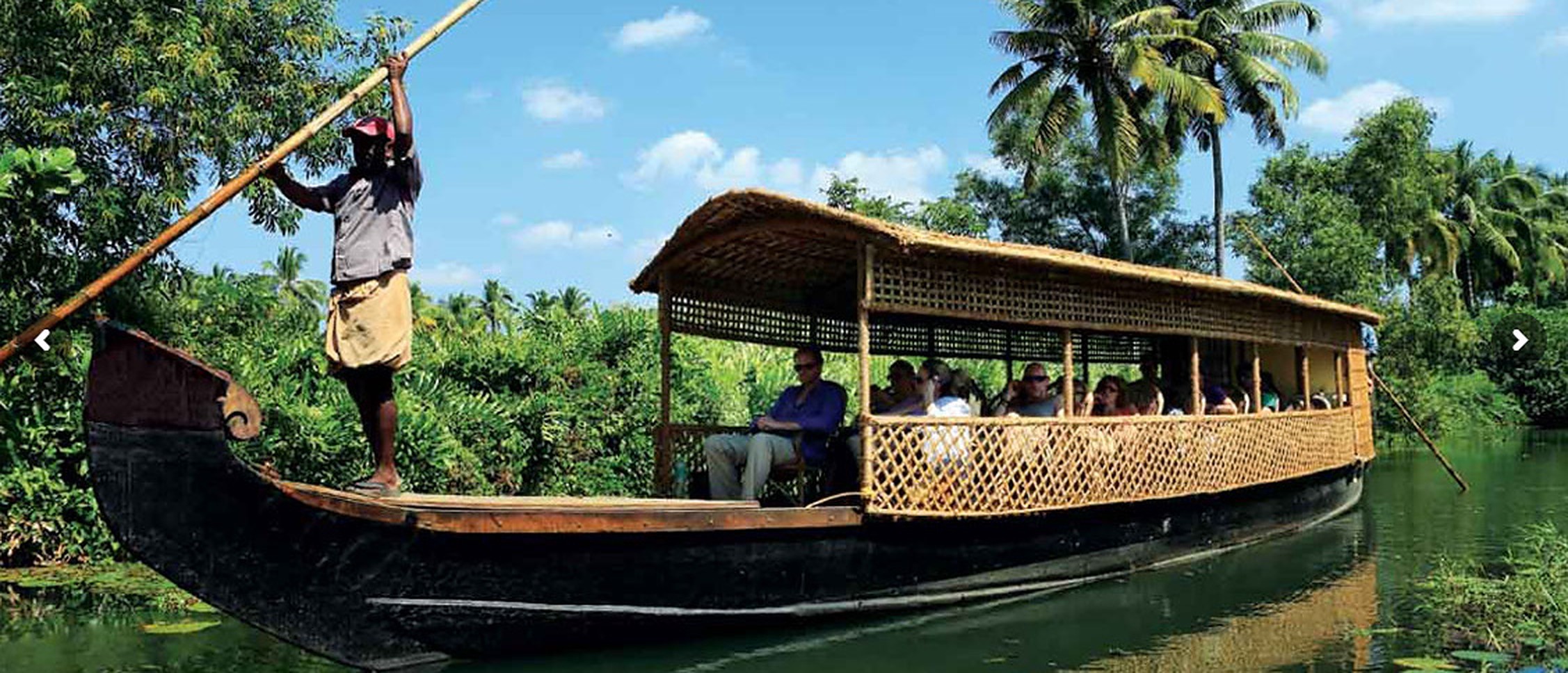
Cochin Backwater Village Eco-Boat Tour
- Expert local guide
- Small group
- Skip-the-line access
- Free cancellation
Backwaters Kerala — Houseboat Cruises & Canal Routes
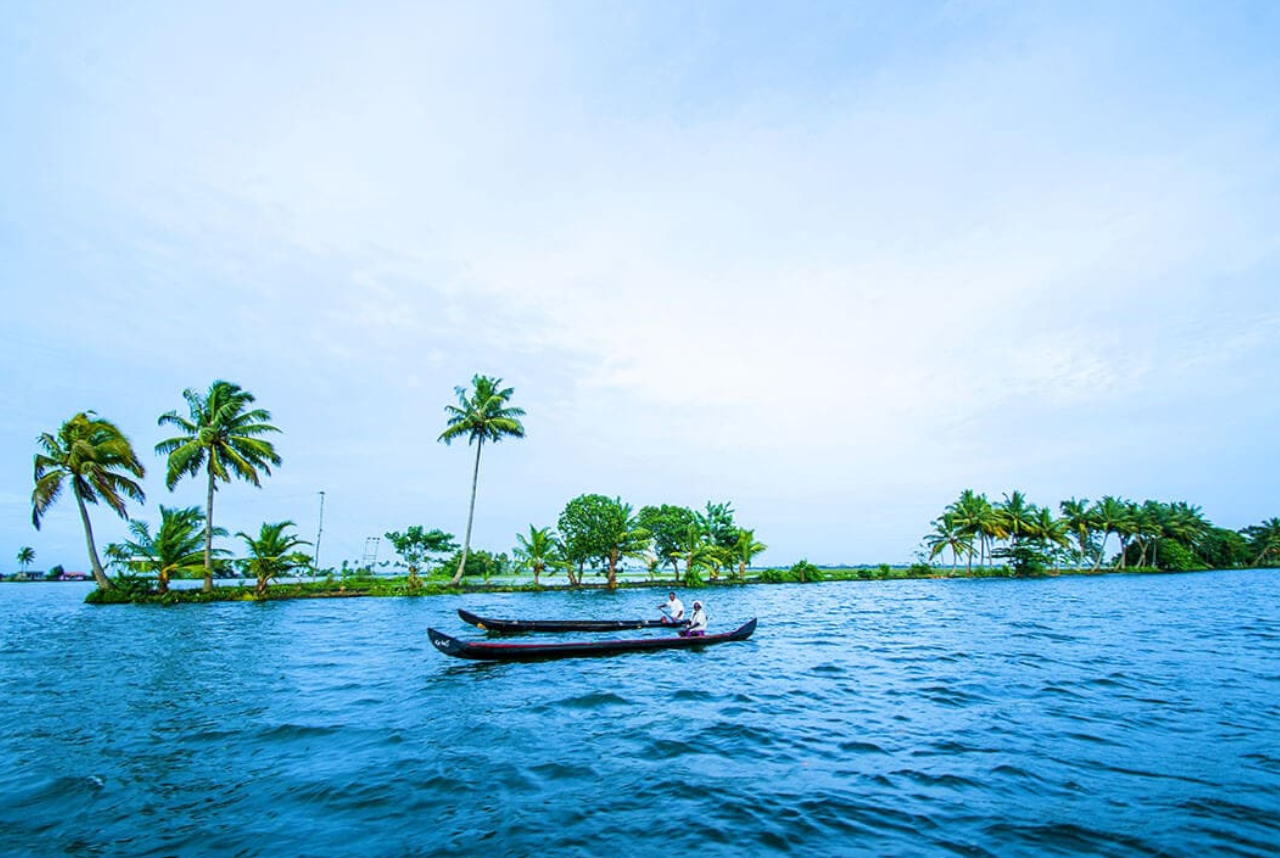
Palm-lined channels drift past paddy, where dusk settles gold on water.
Compare fares, pick the fit — all bookings are mobile-voucher and eligible for free cancellation where shown.
6 hr
3 hr
7 hr
They complement each other; most visitors who do both call the tropical network the more active and immersive adventure. While you do not need backwaters kerala tickets to explore the public waterways, booking a private backwaters kerala tour for a traditional Kerala backwaters cruise remains the best way to experience them.
|
Top pick Kerala Backwaters |
Dal Lake | |
|---|---|---|
| Waterway Environment | Palm-fringed network of brackish canals and lakes | Alpine urban lake featuring floating vegetable gardens |
| Houseboat Style & Design | Kettuvallams constructed from bamboo and palm thatch | Cedar wood panels featuring detailed Victorian woodcarvings |
| Mobility & Overnight Stays | Dynamic daytime cruising, anchoring along shores overnight | Stationary mooring, using small shikaras for transport |
| Surrounding Landscape | Dense coconut groves and vibrant green paddy fields | Snow-capped Himalayan peaks of the Pir Panjal |
| Best Season | Dry winter months from October to March | Mild summer months from April to October |
| See tickets & prices |
Verdict: In the end, selecting backwaters kerala tours ensures a traditional kettuvallam experience, allowing you to explore the backwaters kerala is famous for, which contrasts with Kashmir's stationary houseboats.
Hand-picked experiences loved by thousands of travelers
5 - 8 hours
Free Cancellation
Escape to Kerala’s serene backwaters on a guided boat tour featuring local village crafts, tranquil canal exploration, and an authentic Sadya lunch.
5 hours
Free Cancellation
Discover the serene beauty of Alleppey's backwaters on a private boat tour through lush canals and traditional villages.
5 hours
Free Cancellation
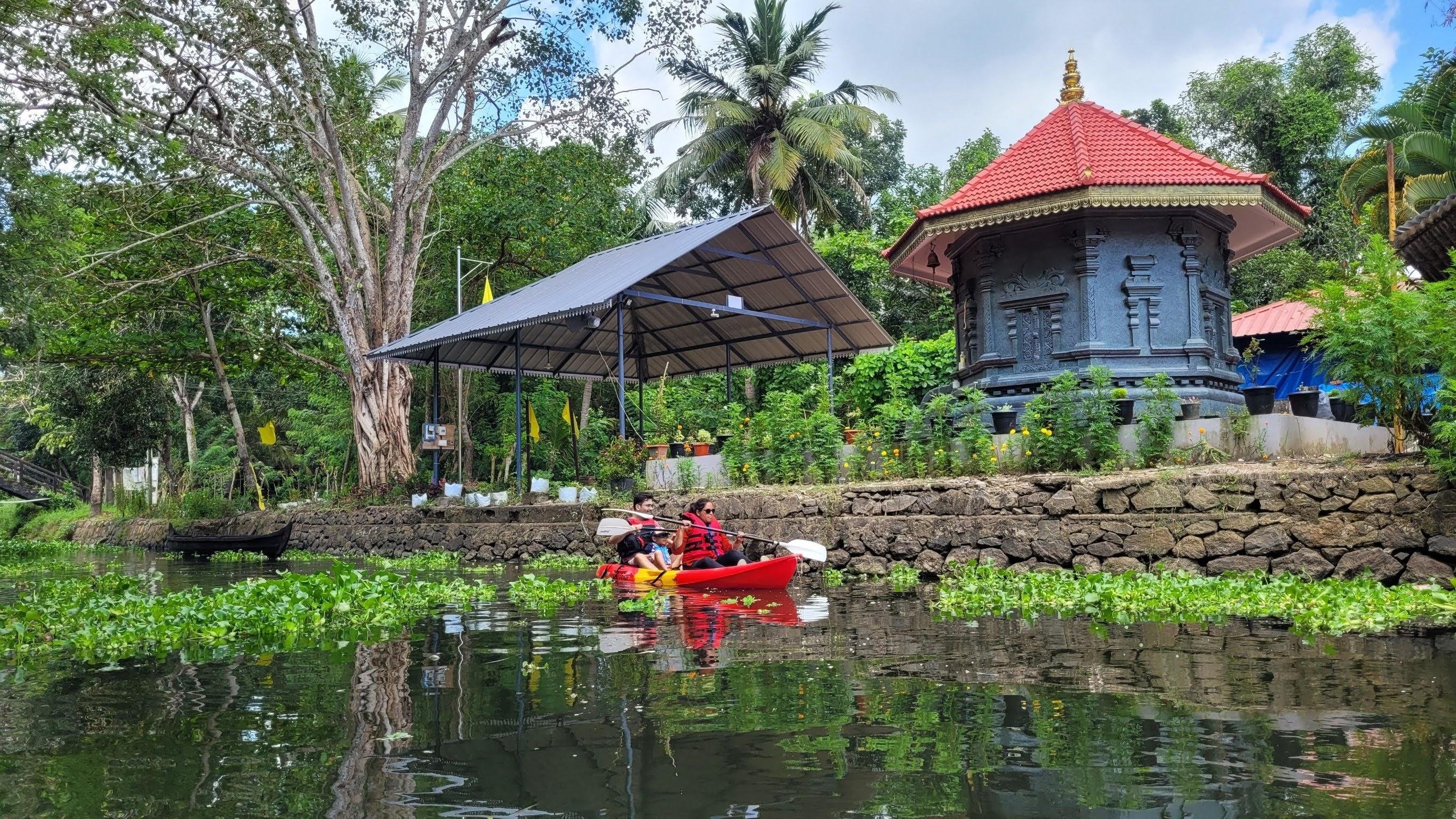
Discover Kerala's hidden waterways on an immersive full-day kayaking journey through traditional villages and lush canals.
Arrive at the designated jetty in Alappuzha to meet your crew and board your private vessel.
Glide across the massive Vembanad Lake while observing traditional fishermen and lush palm-fringed shores.
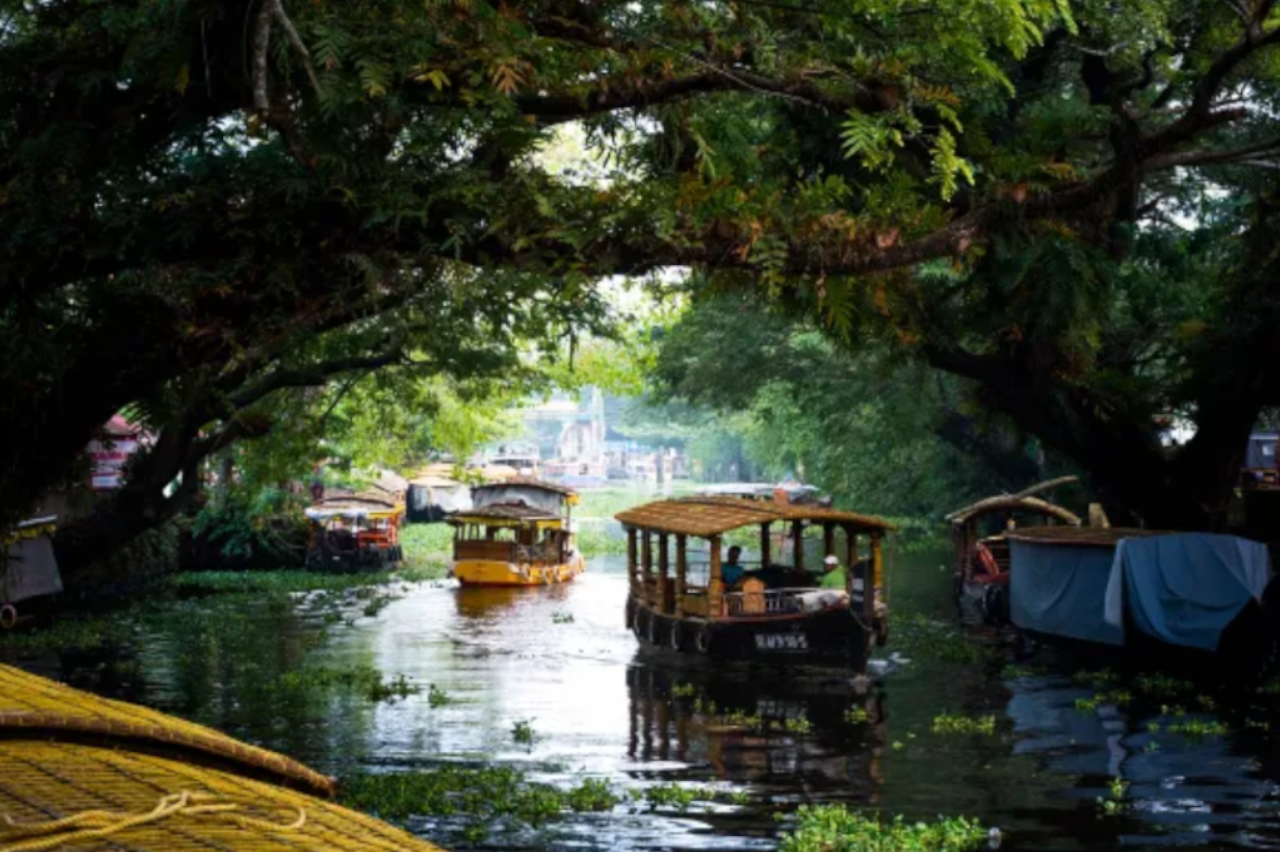
Enter the smaller, winding water channels of Kuttanad to witness local village life and verdant paddy fields.
Anchor in a calm lagoon to enjoy a freshly prepared lunch featuring Karimeen Pollichathu and red rice.
This is the longest lake in India and the largest water body in Kerala, covering an area of over 2,000 square kilometers. It serves as the main artery of the regional canal system and hosts the annual snake boat races.
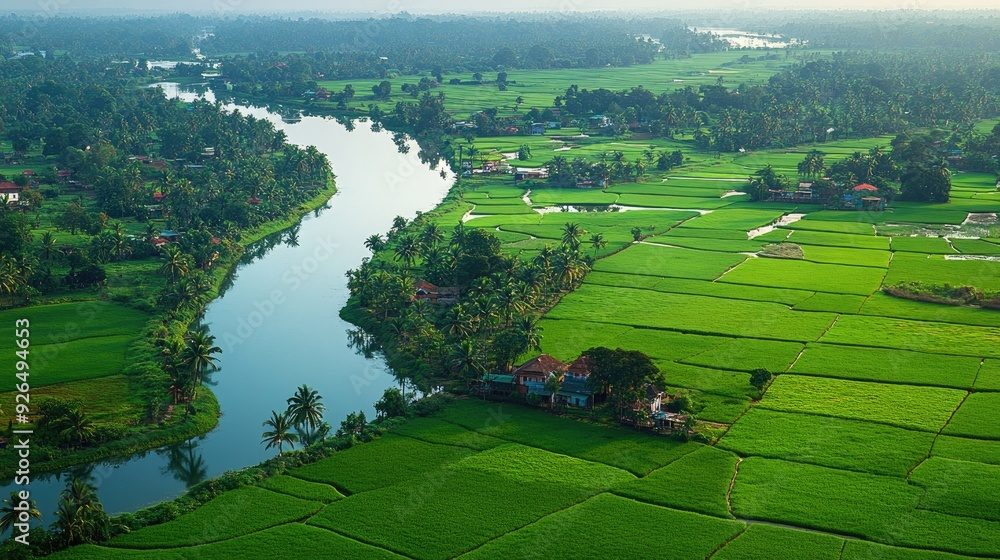
Known as the Rice Bowl of Kerala, this area is famous for farming below sea level, ranging from 0.6 to 2.2 meters. The vast green paddy fields are separated from the waterways by narrow dykes built by locals.
This palm-shaped estuary in Kollam features eight distinct arms and covers approximately 61 square kilometers. It is the second-largest wetland ecosystem in Kerala and is designated as a wetland of international importance under the Ramsar Convention.
This cluster of eight tiny islands in Kollam is surrounded by the Kallada River and Ashtamudi Lake, covering about 13.4 square kilometers. It offers a glimpse into local coir-weaving industries and traditional canal fishing.
Located in northern Kerala, this is the largest backwater stretch in the Malabar region, spanning over 37 square kilometers. It remains relatively untouched by heavy tourism, preserving its pristine mangrove forests and local island culture.
This small, uninhabited island sits in the middle of Vembanad Lake, spanning about 28.5 hectares. It serves as a sanctuary for over 90 species of local birds and 50 species of migratory birds.
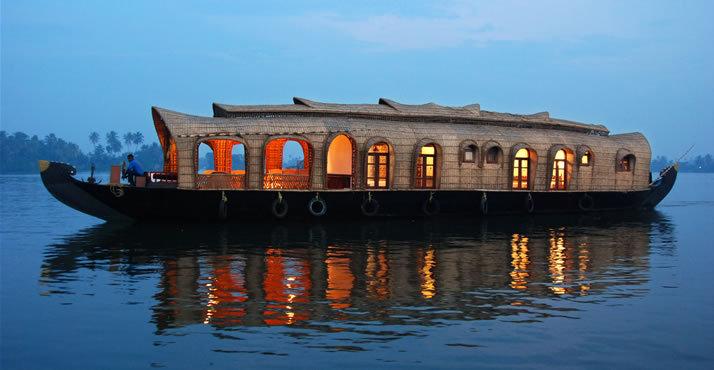
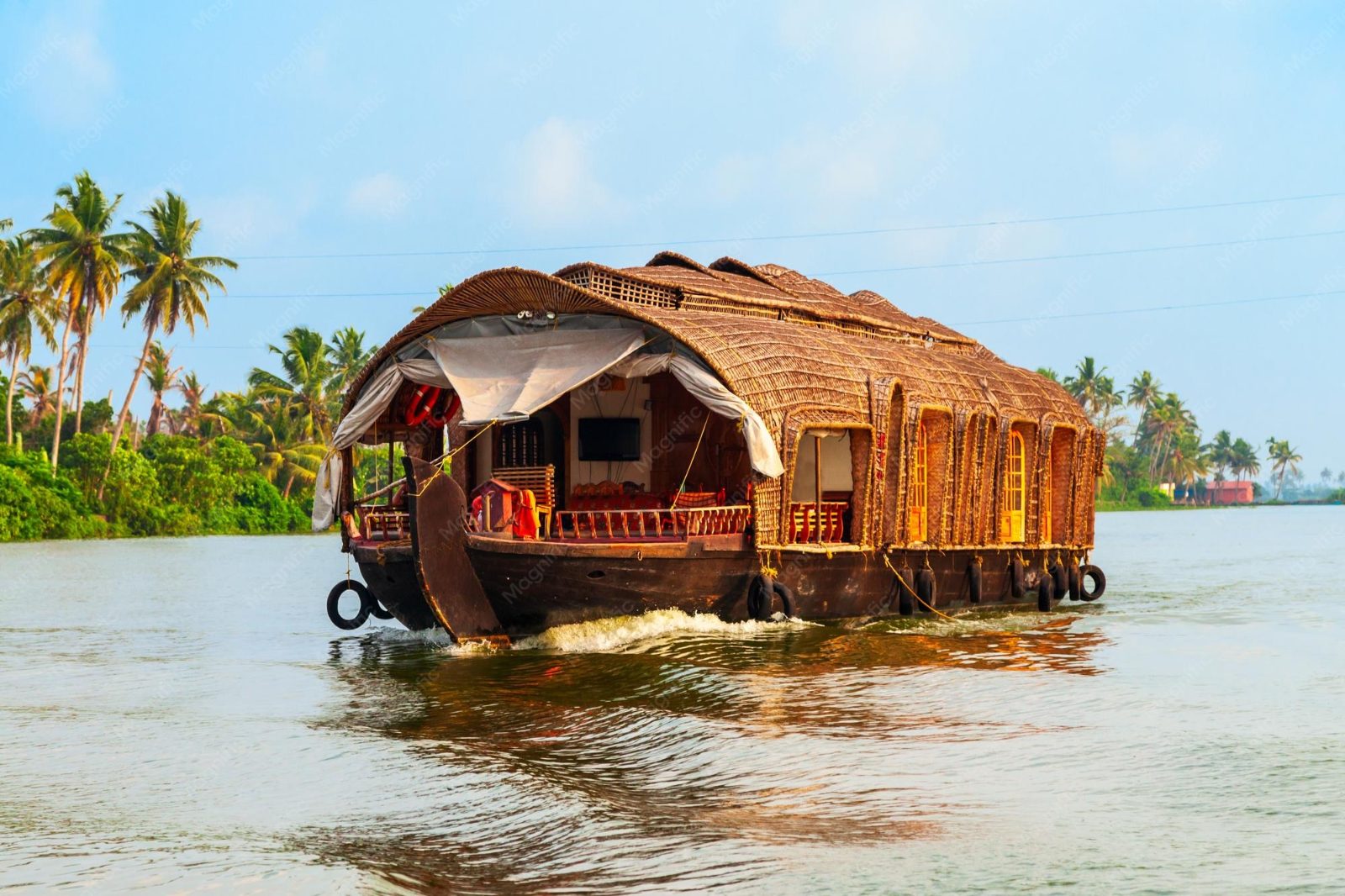
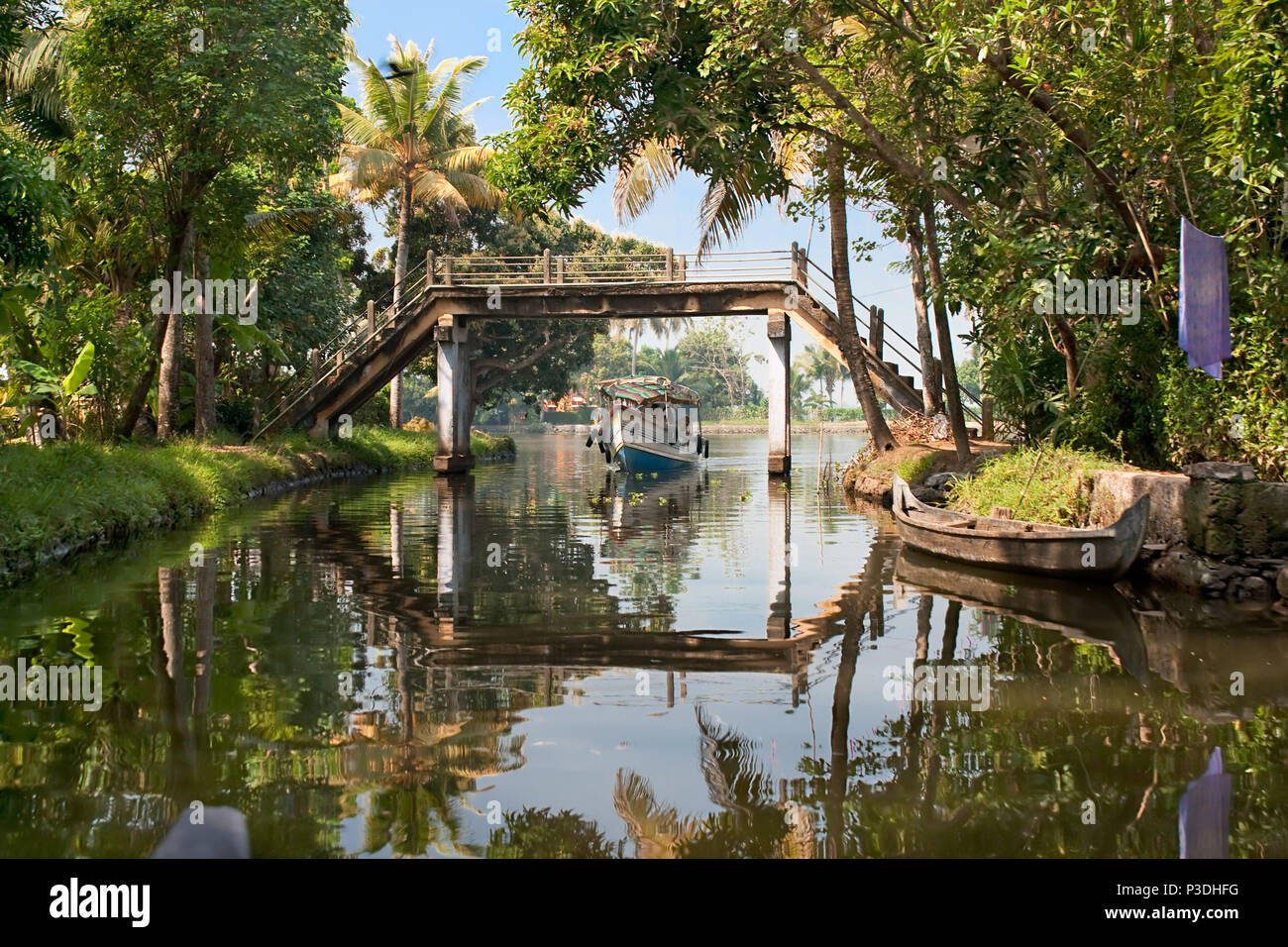
You arrive in Alappuzha between 08:00 and 11:00, when the air is coolest and the day cruises are boarding. At the jetty you step down onto a kettuvallam, ducking beneath its arched thatch roof, and settle onto the open deck as the crew casts off. Entry to the region costs nothing, so your fare covers the boat and the meals aboard. For the first hour you slide through the wider stretch of Vembanad Lake, watching fishermen haul cantilevered Chinese nets and cormorants dry their wings on bamboo poles. Then the channel narrows. Coconut palms lean close enough to touch, and you pass villages where women beat coir fibre on the banks and children wave from doorsteps a metre above the waterline. Around midday the cook serves lunch on the deck — red rice, karimeen fish fried in a banana leaf, thoran and pickle. You eat slowly as the boat idles in a quiet canal. In the afternoon you might transfer to a smaller canoe that threads passages too tight for the houseboat, gliding under low footbridges into paddy country. A backwaters kerala tour rewards this unhurried pace: you do less, you notice more. By late afternoon you moor near a bank, and the light turns the water to hammered copper before you head back to the jetty.
All the details about your upcoming adventure in one place
The backwaters Kerala form a 900-kilometre web of canals, lagoons, and Vembanad Lake threading through Kuttanad's paddyfields and coconut-lined banks. An Alleppey houseboat cruise lets travellers choose between shared country-boat day trips and overnight kettuvallam stays, gliding past coir factories and quiet village waterways. Backwaters kerala tours depart from Alappuzha Boat Jetty and Kumarakom, covering routes suited to a half-day outing or a full night aboard a traditional vessel.
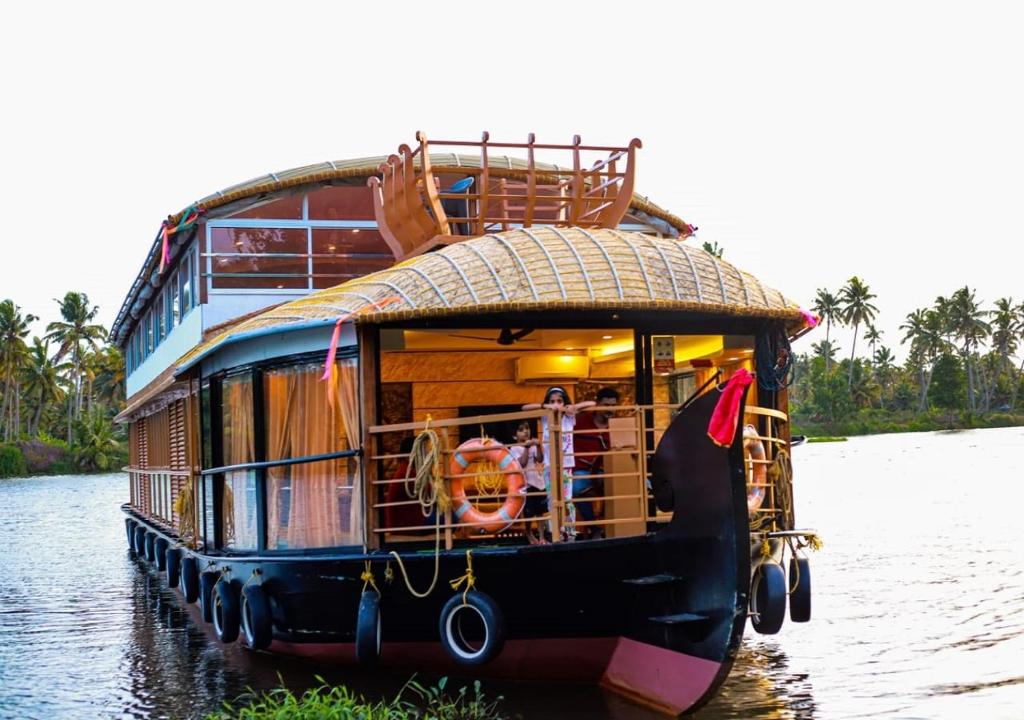
The network of lagoons stretches roughly 900 kilometres, a chain of brackish lakes, canals and rivers running parallel to the Arabian Sea coast. This is the terrain travellers mean when they speak of backwaters kerala, though the water itself is older than any name given to it. Kettuvallam — the traditional rice barges once used to haul cargo between inland villages and coastal ports — were stitched together with coir rope and jackwood planks, without a single nail. Today those same vessels, converted into houseboats, define the region's silhouette. The system centres on Vembanad Lake, the longest lake in India, which threads through the districts of Alappuzha, Kumarakom and Kollam. Alappuzha earned the nickname "Venice of the East" from the colonial administrator Lord Curzon, a phrase that endures on signage and in guidebooks. Kumarakom sits on the eastern bank as a cluster of small islands and a noted bird sanctuary; Kollam anchors the southern reaches, its Ashtamudi Lake fanning out in eight branching arms. The Kerala kayal cruise routes stitch these three together across shallow, palm-lined channels. Why the region still matters is partly ecological and partly agricultural. Kuttanad, the low-lying belt around the lake, is one of the few places on earth where farming happens below sea level, its paddy fields protected by mud bunds and constant pumping. The waterways carry not only tourists but school children, fishermen casting Chinese nets, and duck herders moving flocks between islets. A visitor watching an Alappuzha backwater tour glide past is witnessing a working landscape, not a preserved one. Architecturally, the houseboats reward attention. A single-bedroom kettuvallam runs to about 18 metres, its arched roof woven from bamboo mats and palm thatch, the frame curved so the whole structure flexes with the water. Larger vessels carry two or three cabins, a sun deck and a small galley where cooks prepare toddy-shop-style fish curry on board. The palm-fringed banks that a backwaters kerala route follows are lined with coconut groves, coir-making yards and the occasional whitewashed church spire. The region is free to enter — the water belongs to everyone who lives along it — and that openness is central to its character. It is less a monument than a geography, one that shifts with tide, monsoon and season, and rewards slow, deliberate passage above all.
A visitor watching the water glide past is witnessing a working landscape, not a preserved one.
When visiting the Backwaters Kerala, dress in lightweight, breathable cotton clothing to stay comfortable in the humid tropical climate. Respectful attire that covers shoulders and knees is recommended when passing through local villages or stopping at nearby temples.
There are no formal security checkpoints across the open waterways of the Backwaters Kerala, but individual operators will inspect large luggage before boarding. Keep your bags zipped and store valuables in waterproof pouches during transit.
Photography is widely permitted throughout the Backwaters Kerala, offering frames of traditional houseboats and palm-fringed canals. Drone photography is strictly prohibited near residential islands and sensitive ecological reserves without official government permits.
Life jackets in various sizes are mandatory for all family members boarding any vessel in the Backwaters Kerala. Keep children closely supervised at all times when moving along the open decks or narrow walkways of the boats.
Access to the water vessels in the Backwaters Kerala varies significantly by boat type and jetty infrastructure. While modern luxury houseboats can accommodate customized ramps, traditional narrow canoes and standard vessels are generally not wheelchair accessible.
Outside snacks and bottled water are permitted on most day cruises across the Backwaters Kerala. Traditional meals prepared on board typically showcase regional seafood, and guests should notify operators of any dietary restrictions prior to departure.
Opening hours
00:00–23:59
Address
Alappuzha, Kumarakom, and Kollam districts, Kerala, India
Entrance fee
0 INR (Free entry to the public backwater region)
Best arrival window
08:00–11:00 — Optimal time for cooler weather and boarding houseboat day cruises.
Official site
https://www.keralatourism.org
Public transport · 2-3 hours · 100 - 250 INR
Take a state KSRTC bus to Alappuzha or Kumarakom from Kochi or Thiruvananthapuram. Alternatively, local passenger trains connect major Indian cities to Alappuzha Railway Station.
Car · 1.5 hours · 1500 - 2500 INR
Drive along the National Highway 66 (NH 66) from Kochi to reach Alappuzha. The route is well-marked but can experience traffic congestion during peak commuting hours.
Public transport · 8 hours · 400 INR
State Water Transport Department operates regular public ferries between Kollam and Alappuzha. This budget-friendly option offers an authentic commuting experience with locals.
Most operators navigating the Backwaters Kerala offer free cancellations up to 24 hours before your scheduled departure. For private houseboat bookings, a 50% refund is standard if cancelled at least 7 days in advance.
Recommended time
1-2 Days (ideal for backwaters kerala tours)
Cruising the serene backwaters kerala typically requires an overnight stay on a traditional houseboat to fully experience the shifting colors of sunset and sunrise. If you prefer a shorter Alappuzha houseboat cruise, plan your arrival between the recommended 08:00 and 11:00 window to secure a daytime slot before the mandatory 17:30 government curfew takes effect. Because this vast network of rivers and canals is a public area, there are no ticket booths or entry queues to navigate before boarding. This ensures a relaxed embarkation, leaving you more time to focus on selecting the right vessel and mapping out your route.
Crowd levels through the day
Weather · crowds · average price — dots go green to amber to red as each metric rises.
This is the peak season, offering dry weather and pleasant temperatures ranging from 22°C to 32°C. The calm waters and clear skies make it the most comfortable time for overnight kettuvalam houseboat cruises.
As the transitional period begins, temperatures hover around 33°C with moderate humidity. It is an excellent time for birdwatching before the heavier summer heat sets in.
Temperatures rise up to 35°C, resulting in high humidity and fewer tourists. Cruising during this period is quieter and offers budget-friendly rates, though the midday heat can be intense.
The rainy season transforms the landscape into a vibrant, lush green paradise. While heavy downpours can occasionally disrupt boat schedules, it is the best time to witness the Nehru Trophy Boat Race in August.
Verify that your boat operator is officially registered with the Kerala Department of Tourism. Licensed vessels undergo regular safety checks and carry mandatory navigation and life-saving equipment.
Carry a reliable insect repellent, especially for late afternoon and evening hours when mosquitoes are highly active near the water. Wearing long-sleeved clothing during sunset cruises also helps prevent bites.
Use a waterproof dry bag to protect your electronics, passports, and cameras from water splashes or sudden tropical downpours. It is also wise to secure loose items when boarding or disembarking.
Keep noise levels down when cruising through narrow residential canals to avoid disturbing the local communities. Always ask for permission before photographing residents or their homes.
Confirm the operating hours for air conditioning when booking an overnight houseboat. Many standard boats only run the AC in bedrooms between 21:00 and 06:00 to conserve power.
Keep sufficient local currency on hand, as card payments and digital wallets are often not accepted at rural village stalls or small lakeside restaurants along the canals.
Punnamada, Alappuzha, Kerala 688006
The primary starting point for most local houseboat tours.
Get directionsKumarakom, Kottayam, Kerala 686563
Ideal boarding location for routes exploring Vembanad Lake.
Get directionsLong before tourism, the backwaters kerala corridor served as a working waterway. Merchants moved cargo through this lattice of lakes, canals, and lagoons across Alappuzha, Kumarakom, and Kollam. The kettuvalam, a rice barge stitched together with coir rope and without nails, carried spices, paddy, and grain between inland villages and coastal ports. These vessels linked the Malabar spice trade to markets that Roman, Arab, and later Chinese traders reached by sea. The defining chapter belongs to Kuttanad, a farming basin lying below sea level. Reclamation of this region intensified through the 19th century. Cultivators built earthen bunds to hold back the water, then drained the enclosed fields to grow paddy. Two families, the Pallithanam Luca Matthai household among them, pioneered large-scale reclamation in the 1880s and 1890s. Work was heroic and dangerous. Labourers dug channels by hand and raised embankments against constant flooding, an engineering feat that still shapes Kuttanad today. The commercial spine of the region was the Punnamada waterfront. Alappuzha town, laid out in 1762 under Raja Kesava Das, grew into a canal port dense with warehouses and coir factories. Its network of channels earned it a lasting nickname as the Venice of the East. The kettuvalams that once hauled rice now anchor the heritage economy, and modern backwaters kerala tours often begin from the same historic jetties. What survives is layered. The reclaimed polders of Kuttanad remain productive farmland. The old grain barges have been rebuilt as houseboats, so a backwaters kerala tour retraces the routes of the spice trade. The Kerala landmarks along these canals, from Chinese fishing nets to colonial godowns, record centuries of exchange. Entry to the public backwater region is free, and travellers seeking a backwaters kerala tour or purchasing separate backwaters kerala tickets for a boat still follow water roads first cut for commerce, not leisure.
Roman and Arab traders reached Malabar ports for pepper, spices, and grain moved along the inland waterways.
Floods reshaped the coast and opened the Kochi harbour, redirecting backwater trade routes.
Raja Kesava Das planned Alappuzha as a canal port, earning it the name Venice of the East.
Cultivators began large-scale reclamation of the below-sea-level Kuttanad paddy basin.
Pioneer families raised earthen bunds and drained polders to expand rice farming.
Coir factories and warehouses lined the Punnamada waterfront, anchoring the regional economy.
This structure serves as a key flood control point where fresh water meets the sea. Position your camera on the bridge along National Highway 66 to frame the contrast between the turbulent flow and the calm river banks. Accessing the bridge is free, meaning no backwaters kerala tickets are required to view the sunset over the spillway.
Deep in the Kuttanad region, this location showcases traditional agricultural life with rice paddies situated below sea level. Stand near the Pamba River banks or hire a canoe to capture local residents navigating the narrow canals. It is a prime stop during backwaters kerala tours to document daily village routines.
This secluded island in Vembanad Lake serves as a sanctuary for migratory birds amidst dense greenery. Photographers can capture herons and egrets from the wooden walking trails or from the boat jetty during arrival. Booking a private backwaters kerala tour is the easiest way to reach this water-locked sanctuary.
Known as the venue for the famous Nehru Trophy Boat Race, this wide expanse offers clear reflections of houseboats against the horizon. Stand at the finishing point jetty to shoot wide-angle vistas of the water or capture local fishermen casting nets. It is one of the most popular areas to experience the classic backwaters kerala landscape.
Exploring the backwaters kerala with children is a calm, slow-paced adventure, though it requires proactive safety management on the water. Parents should focus on choosing child-safe vessels with high railings and prepare for hot, humid weather and evening mosquitoes.
While reputable operators provide safety gear on backwaters kerala tours, child-sized life jackets under 30 pounds are rarely stocked. Always pack your own certified PFD for infants or toddlers. Ensure the houseboat has high, secure railings and non-slip flooring before boarding.
Ditch the stroller for a baby carrier, as the narrow, uneven canal paths and boat decks are highly inaccessible for wheels. A lightweight carrier allows you to walk through village stops comfortably during your backwaters kerala tour. It also keeps toddlers safely secured next to you when embarking or disembarking the vessel.
Since there are no backwaters kerala tickets needed to access these public channels, you can board directly, but the dense vegetation makes insect repellent mandatory. Apply DEET or kid-safe bug sprays heavily before dusk when mosquitoes are most active. Choosing an air-conditioned cabin with screens will protect your children overnight.
An Alappuzha houseboat tour on Vembanad Lake can get hot and humid, so plan day trips with plenty of bottled water and light, breathable clothing. Request child-friendly meal adjustments like non-spicy rice and local fruits from the onboard cook. Keep the daily itinerary relaxed to prevent cranky toddlers in the tropical heat.
Dining near the backwaters kerala centers on fiery clay-pot curries and fresh catches like karimeen. Most travelers planning an Alappuzha houseboat tour enjoy traditional meals prepared right on the water or at rustic canal-side shops.
Housed in a historic eight-sided mansion, this upscale venue specializes in Syrian Christian duck roast and karimeen pollichathu. It is a popular stop for travelers on a luxury backwaters kerala tour who want to dine in regal style.
Known for serving authentic Kuttanad cuisine, this local spot offers fresh toddy alongside spicy pork fry and fish head curry. Because the region has free entry, you do not need backwaters kerala tickets to enjoy this spot.
This waterside shack is a common lunch stop for those embarking on private backwaters kerala tours. It serves fresh coconut palm toddy alongside spicy kappa and fish curry.
Real experiences from real travelers
We booked an overnight houseboat and drifting through the backwaters kerala at dawn was the highlight of our whole trip. The water was glassy and you could hear the paddles of village canoes long before you saw them. Our cook served fresh karimeen right on the deck.
The Alleppey backwaters tour we chose ran through the narrow Kuttanad canals rather than the open lake, which felt far more intimate. Kids waved from the banks and we passed toddy shops and coir workshops. Book the smaller canals if you want the real thing.
Vembanad Lake at sunset was worth the heat, though I wish I had brought more water and a hand fan. The houseboat crew were kind and the paddy field views went on forever. A day cruise was plenty for us rather than staying overnight.
Watching the cantilevered fishing nets dip into the still water near Kumarakom was quietly mesmerising. The backwaters kerala tours we compared all started around 11am, so we asked for an early departure and had the canals almost to ourselves.
The stretch of Kerala backwaters near Kuttanad sits below sea level and the rice paddies glow an unreal green in July light. We spotted kingfishers and cormorants from the deck. Bring binoculars if you like birds.
Our backwaters kerala tickets included a village walk that turned out to be the best part, watching coir rope being spun by hand. The main channels can get a little busy with houseboats midday. Go for a canoe on the side canals.
Nothing beats floating through the Alappuzha canals with a plate of pearl spot fish. The backwaters kerala tour felt slow in the best way, no rushing, just palms sliding past. Sunset over Vembanad was deep orange.
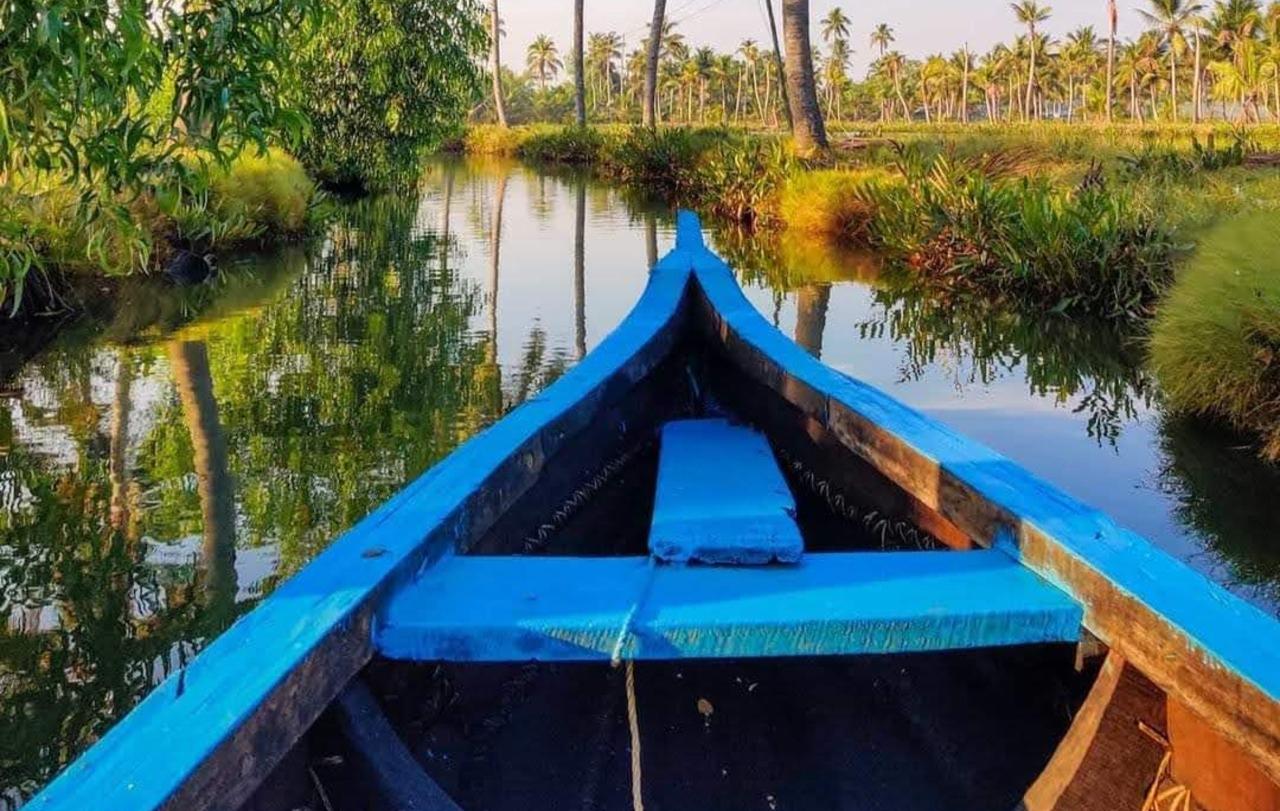
Skip the big houseboat if you can and take a small country canoe deep into the backwaters kerala — the narrow palm-shaded waterways are where the villages actually live. We passed churches, temples and duck farms in an hour. So calm.
The Kumarakom backwaters felt wilder and less crowded than the Alleppey side. Warm brackish air, herons standing in the shallows, and a boatman who knew every bend. One of the calmest places I have been.
A full day on the Kerala backwaters gave us mirror reflections at both sunrise and sunset. It got hot around noon so we napped under the shade of the deck. The coconut lagoon stretches were the prettiest.
Everything you need to know for your journey
The ideal window to start your journey is between 08:00 and 11:00, when the weather is cooler. Many day cruises depart from local jetties during this morning period to maximize daylight hours.
No official Backwaters Kerala tickets are needed to enter the region, as admission to the public waterways is free. You only pay for private boat hires, village canoe trips, or overnight houseboat packages.
You can arrange a Backwaters Kerala tour through licensed operators in Alappuzha, Kumarakom, or Kollam. It is highly recommended to book in advance during the peak winter tourism season.
There is no strict dress code for the open waterways, but modest clothing is recommended when visiting local villages. Light cotton clothes, hats, and sunglasses will help you stay comfortable in the tropical humidity.
Standard safety equipment, including life jackets and lifebuoys, is mandatory on all registered boats. Operators must also comply with safety inspections conducted by the local port authorities.
Most private boat operators allow guests to bring light snacks on the Backwaters Kerala. Overnight houseboats usually include all meals, showcasing traditional regional cuisine.
Wheelchair accessibility is limited across the Backwaters Kerala due to the design of traditional wooden jetties and vessels. However, some premium luxury houseboats feature wider decks and ramps if arranged with the provider beforehand.
Cruises on the Backwaters Kerala may be temporarily delayed or rescheduled during severe downpours for safety reasons. Most local operators offer flexible rescheduling or refunds if weather conditions prevent the boat from departing.
Yes, you can easily combine your Backwaters Kerala trip with visits to nearby sanctuaries or beaches. Many itineraries allow stops at historical temples and coir-making villages along the route.
A sandy coastline featuring a historic 150-year-old lighthouse and an old pier extending into the Arabian Sea. It is a popular spot for sunset viewing and beachside snacks.
Set on the banks of Vembanad Lake, this sanctuary is home to numerous migratory bird species, including Siberian cranes. It features walking paths and canopy watchtowers.
A private museum showcasing a collection of fine art, crystal, porcelain, and traditional Kerala artifacts. It houses a unique private collection of Swarovski crystals and ivory carvings.
An ancient temple located in the heart of Alappuzha town, dedicated to the goddess Rajarajeswari. It features a traditional open-air courtyard and hosts vibrant local festivals.
A high-end heritage resort offering traditional villas reconstructed from ancestral homes, set along the shores of the lake.
A comfortable mid-range lakeside resort offering modern rooms, an outdoor pool, and scenic water views.
A popular backpacker hostel located near the beach, featuring budget-friendly dorms and a social rooftop area.
Join thousands of happy travelers who have discovered this incredible experience
Book Your Experience Now