
September to November
Rain tapering off, 23°C–31°C
Moderately busy
The landscape is vibrant green, marking the transition into the dry season. Houseboats resume operations as backwaters clear.
A narrow green state of canals, Western Ghats tea slopes, spice ports and Arabian Sea beaches.
Kerala accounts for barely one percent of India's land, yet it recorded the country's first democratically elected communist government and its highest literacy rate — a state that reads before it rests.
This is the frame within which Kerala Tours make sense: a place shaped by monsoon, migration and the medieval spice routes that drew Romans, Chinese, Arabs and Portuguese to its shores, all of whom left fragments behind.
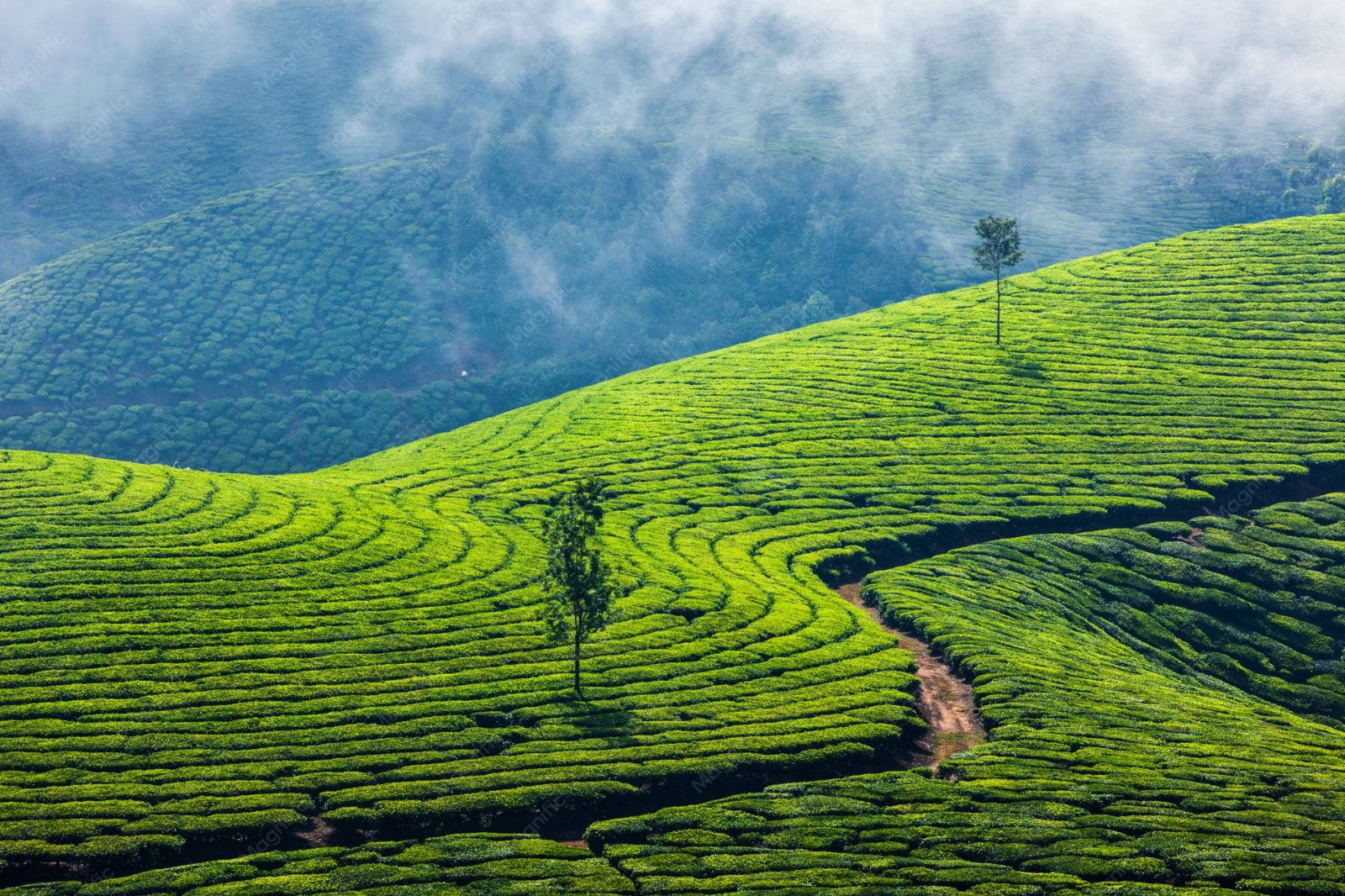
What defines Kerala today is water and elevation working in tandem. The lowland backwaters form a lattice of lakes, rivers and hand-dug canals where the backwaters kerala experience unfolds at the pace of a poled boat. To the east the land rears up into the Western Ghats, where the tea plantation in kerala at Munnar stitches green terraces across ridgelines and the Periyar reserve shelters elephants and hornbills. Between the two sits Fort Kochi, where a cochin city tour passes Chinese fishing nets, the Paradesi Synagogue and the whitewashed St. Francis Church.
The site's own pages trace these threads. Alleppey Houseboat Tours drift through the Vembanad wetlands; Munnar Tea Plantation Tours climb the cardamom hills; Periyar Wildlife Safaris follow the lake at dawn; Kochi City Tours read the harbour's layered past; and Kerala Cooking Classes turn coconut, curry leaf and toddy-shop fare into a lesson. Good Kerala Tours tours let these registers speak to one another rather than racing between them.
Who does the destination suit? Almost anyone willing to slow down. Families find gentle boat rides and elephant sightings; couples find quiet estate bungalows; naturalists find one of India's richest biodiversity corridors. A well-planned Kerala Tours tour balances coast, canal and mountain without forcing a march, and Kerala Tours tickets to a single estate or reserve can anchor an unhurried day. The reward is not a single monument but an accumulation of texture — salt air, wet paddy, wood smoke and the long green horizon of the Malabar Coast.
“A state that reads before it rests, shaped by monsoon, migration and the medieval spice routes that drew the world to its shores.”
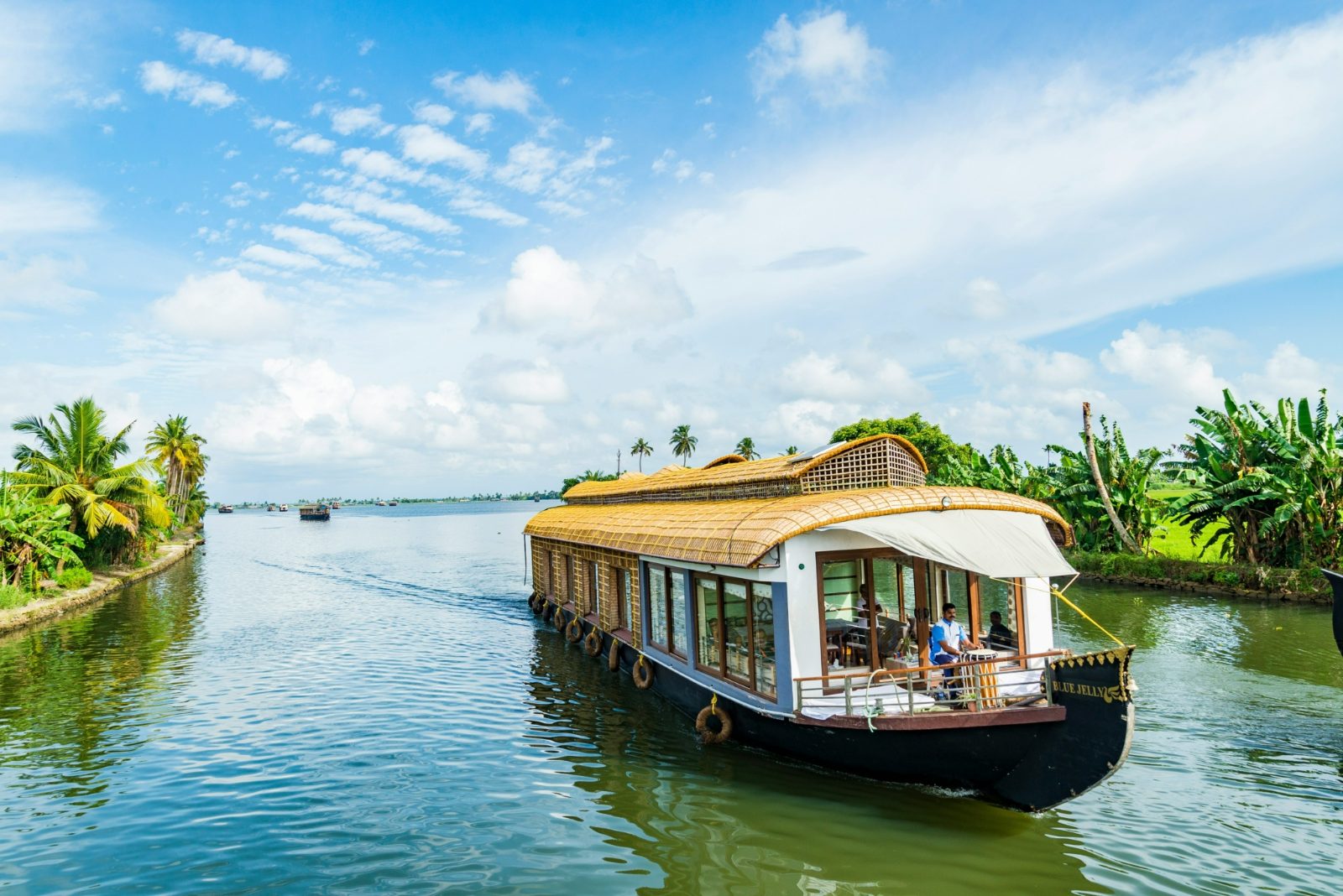
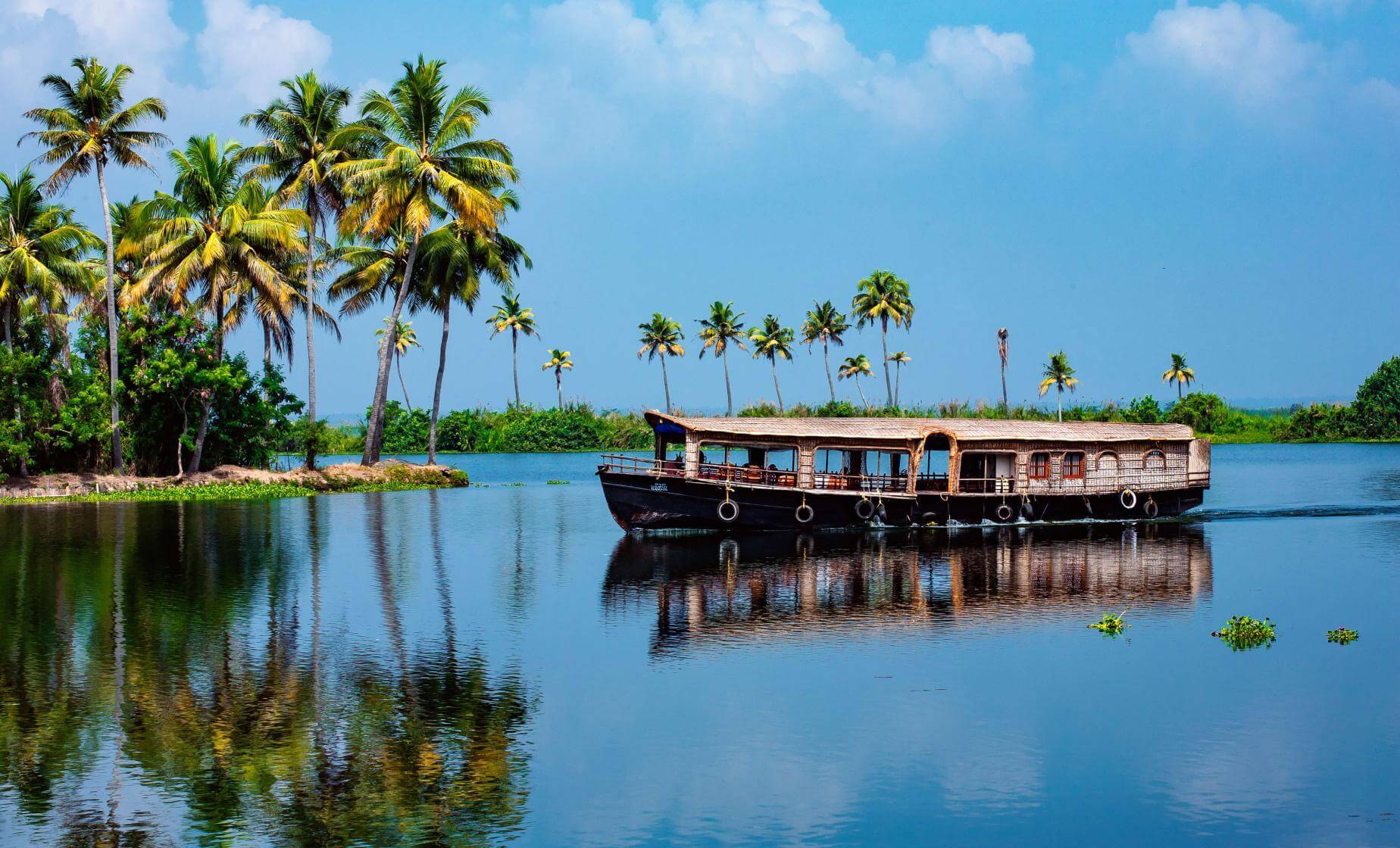
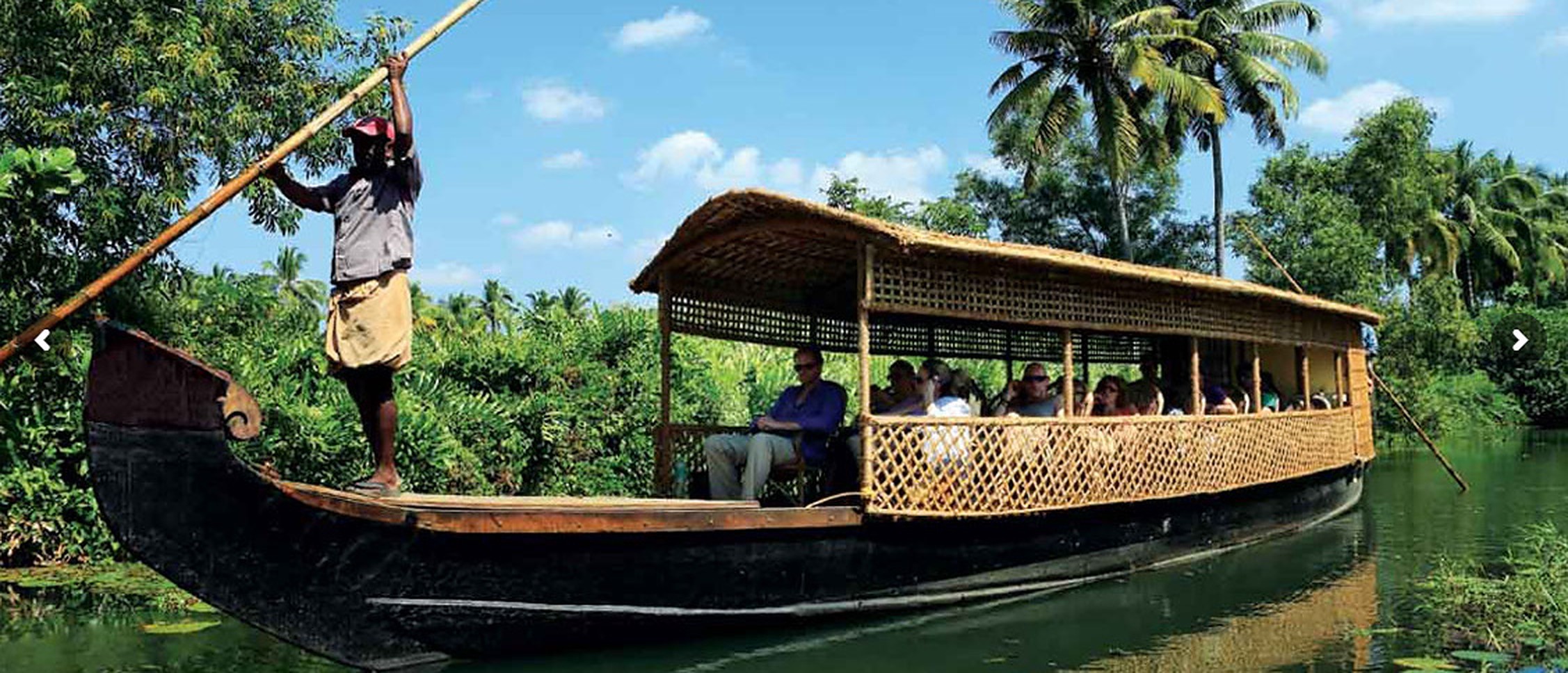
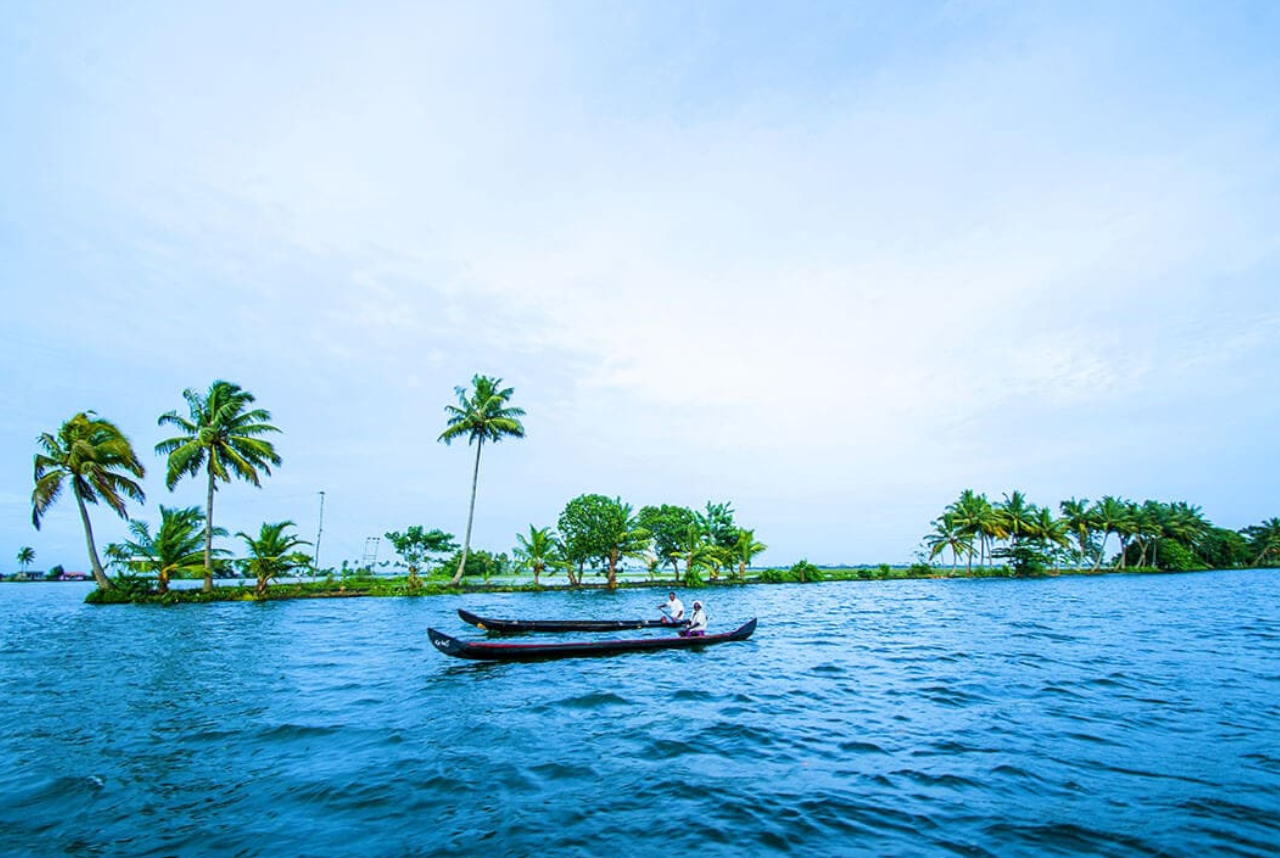
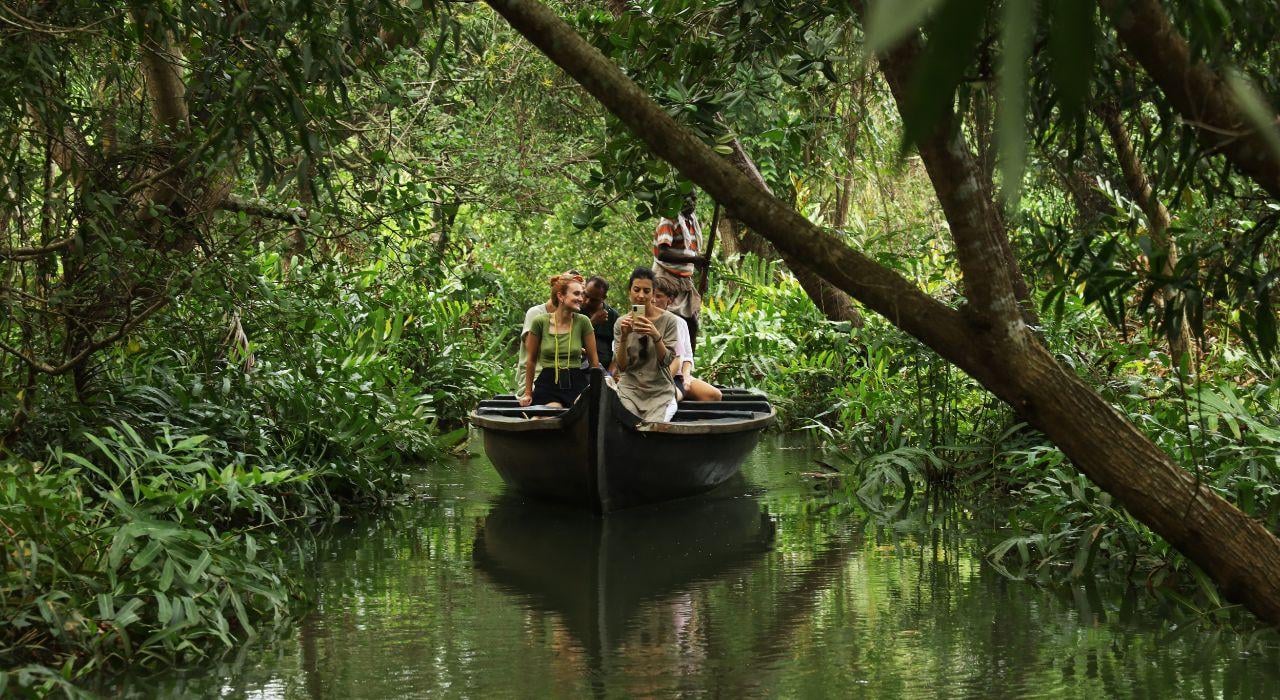
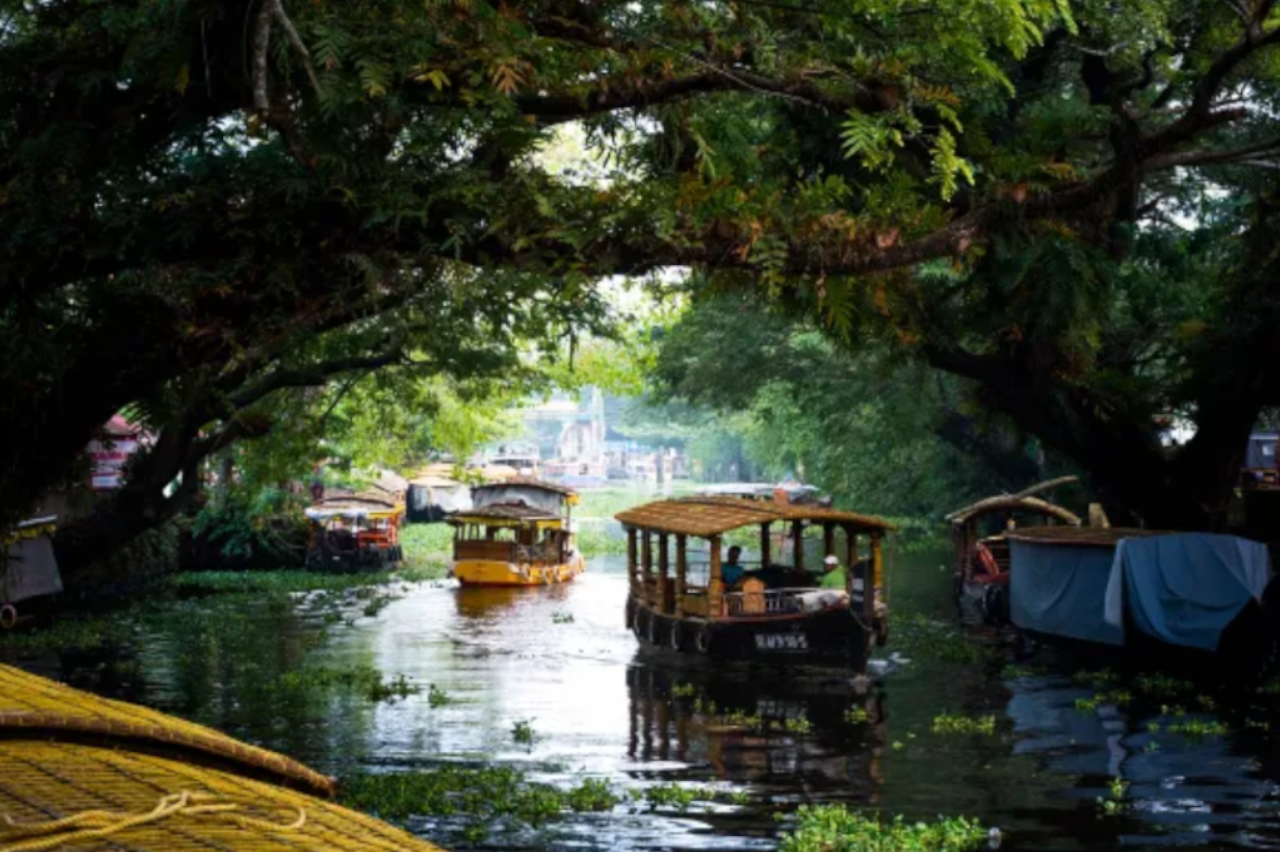
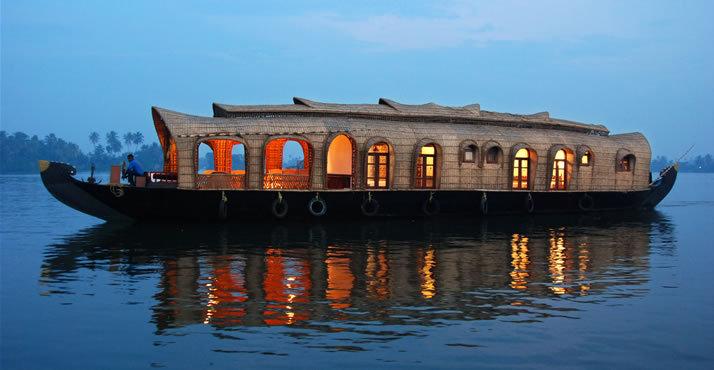
Overnight kettuvallam cruises thread the Alleppey canals past paddy fields, village jetties and coconut groves.
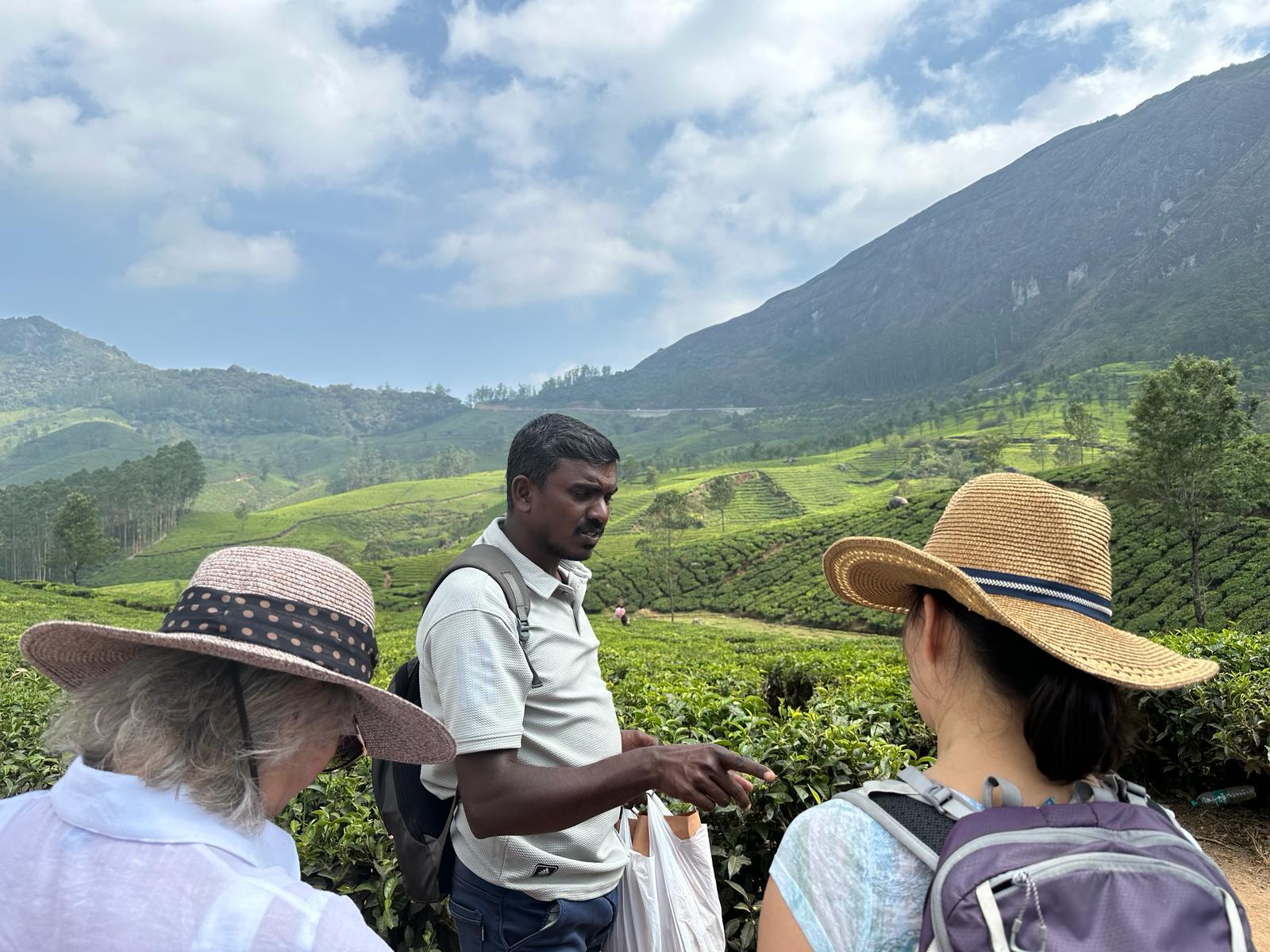
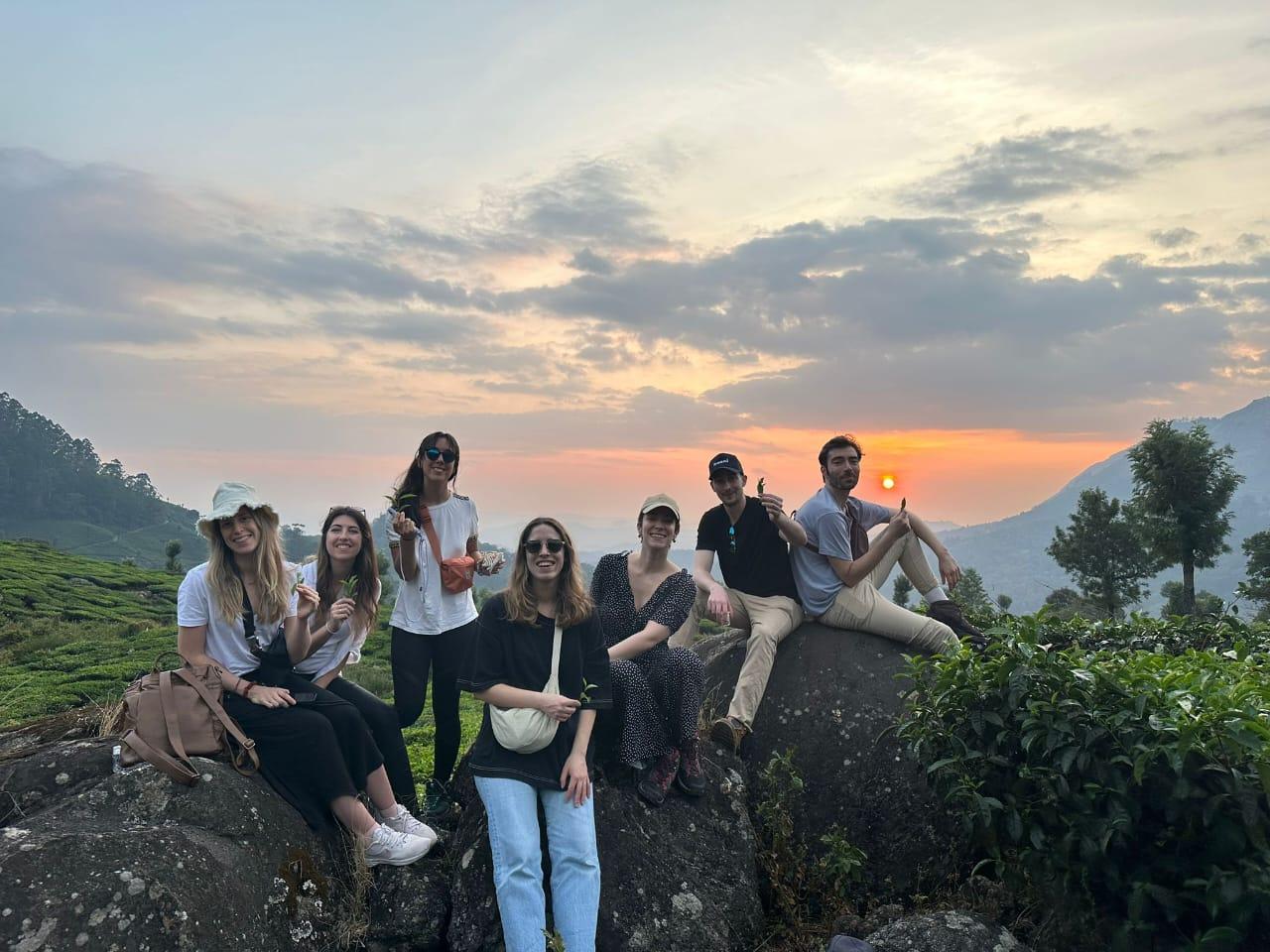
Manicured emerald slopes climb toward the Western Ghats, dotted with colonial-era estates and mist.
Chinese fishing nets, a Portuguese church, a synagogue lane and spice warehouses layer centuries into a few walkable blocks.
Kerala Tours covers eight distinct experiences across the southwest tip of India — from colonial Dutch-era streets in Kochi and mist-wrapped tea estates in Munnar to palm-lined backwater channels and jungle-edged wildlife reserves. Choose based on what draws you: heritage, active outdoor adventure, or slow scenic cruising. The pages below each focus on a single experience, so you can build a visit around what genuinely interests you.
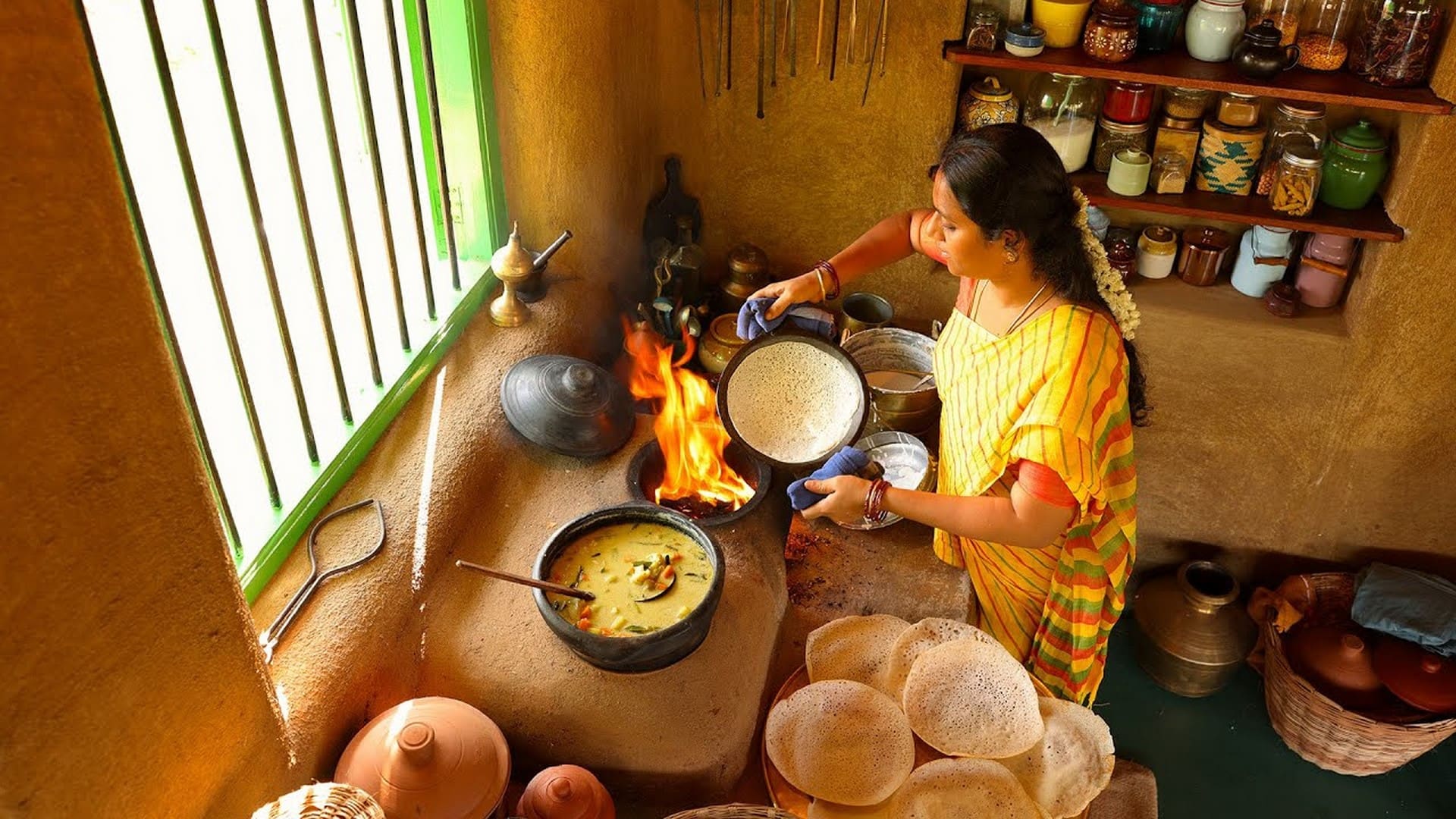 Food Tour
Join a cooking session in a local family kitchen, learn which spices grow in Kerala's backyard plots, and prepare a set meal following techniques passed down through generations.
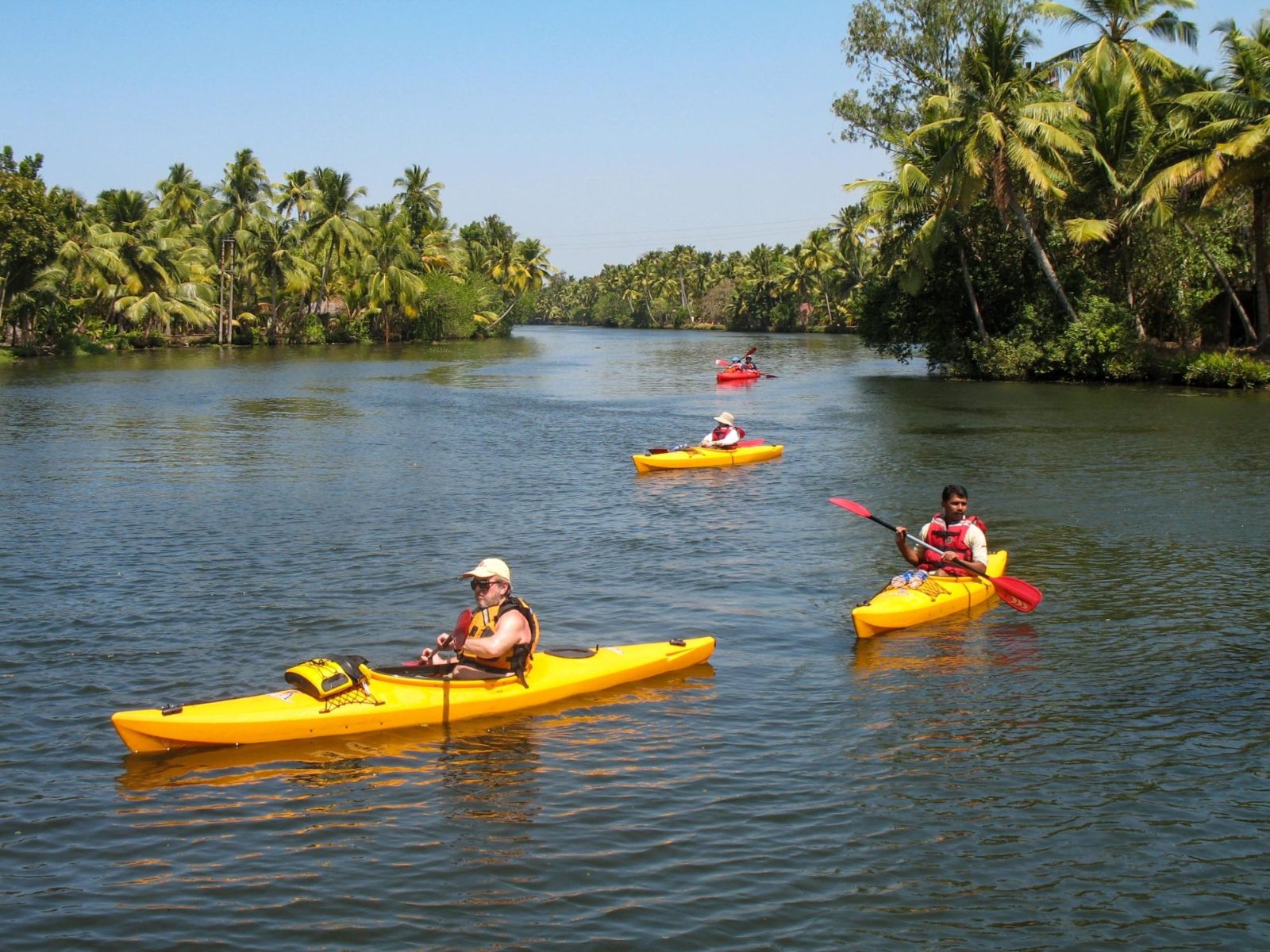 Water Sports
Paddle a kayak through Ashtamudi Lake's mangrove corridors, or book jet-skiing, banana boat rides, and surfing at Kerala's beach strips — sessions available for first-timers and experienced paddlers alike.
 Wildlife Safari
Board a bamboo raft on Periyar Lake inside the tiger reserve, where elephants and gaur come to the shore to drink, then follow a guided jungle trail through the buffer zone.
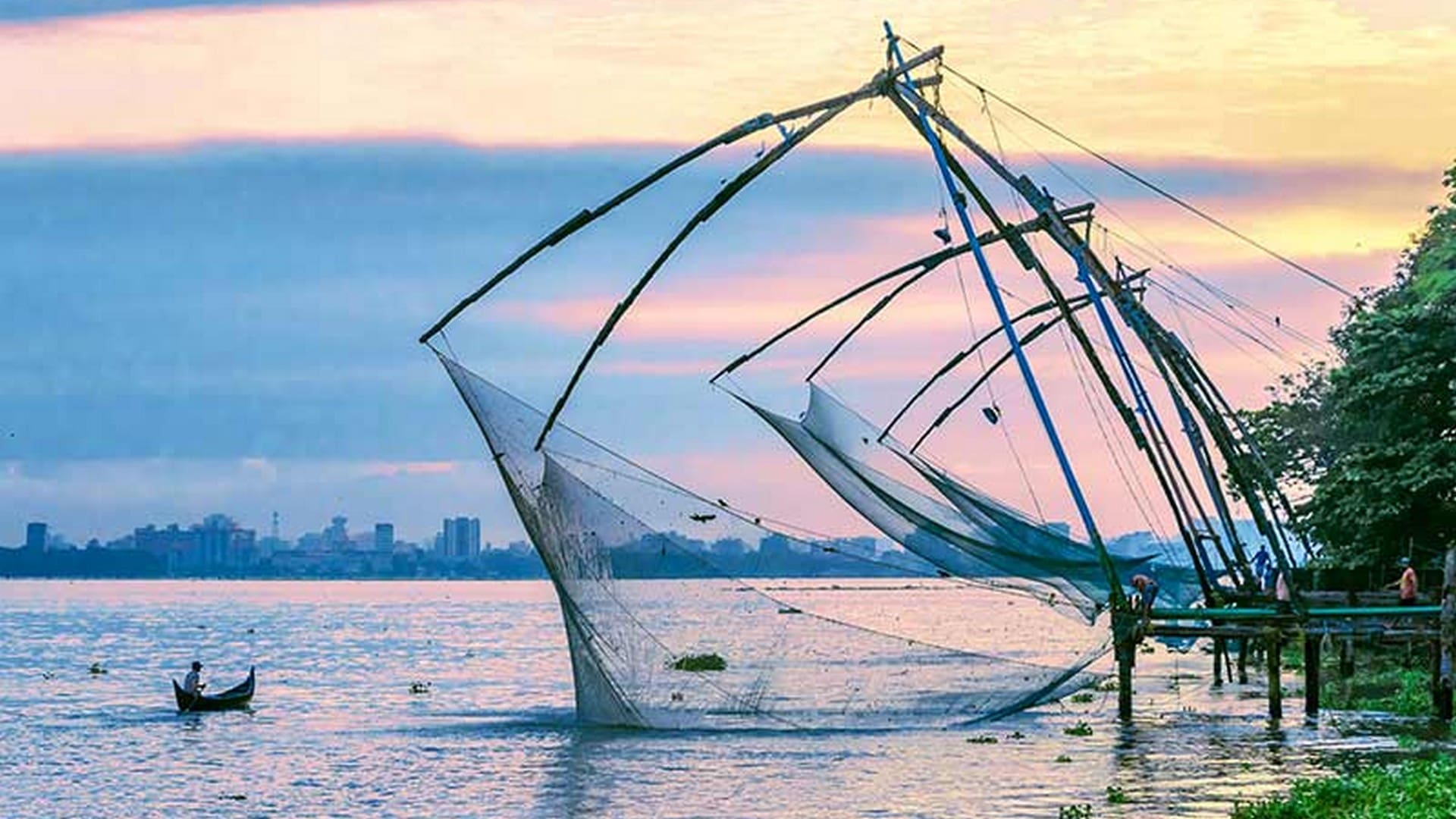 Heritage Tour
Walk through Fort Kochi's layered colonial past — Portuguese churches, Dutch mansions, and Chinese fishing nets still in use — plus a guided look at the Jewish Quarter and Mattancherry spice warehouses.
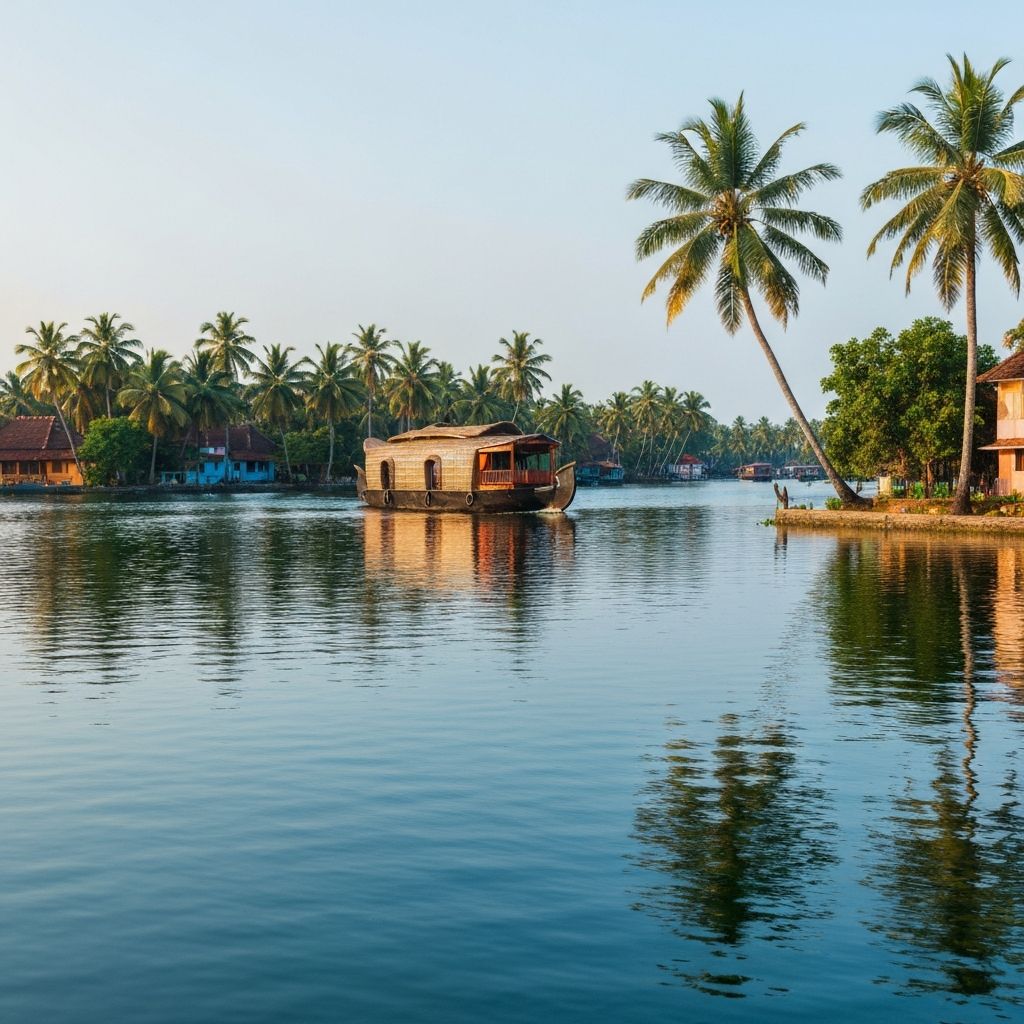 Tour Package
Structured multi-day circuits that link hill stations, backwater canals, and the Malabar coast in a single booking, with private transfers and curated stops across Kerala's distinct geographic zones.
 Plantation Tour
Ride into the Western Ghats to Munnar's rolling tea gardens at 1,600 m elevation, walk active estate rows, and visit a working factory to watch leaves processed from pluck to packet.
 Day Trip
Private car-based day excursions from major hubs to waterfalls, spice gardens, or hill viewpoints, suited to travelers who want a focused half-day or full-day outing without committing to an overnight.
 Houseboat Tour
Overnight aboard a converted kettuvallam on the Alleppey canal network, drifting through narrow waterways flanked by coconut groves and paddy fields, with meals prepared on deck by the boat crew.
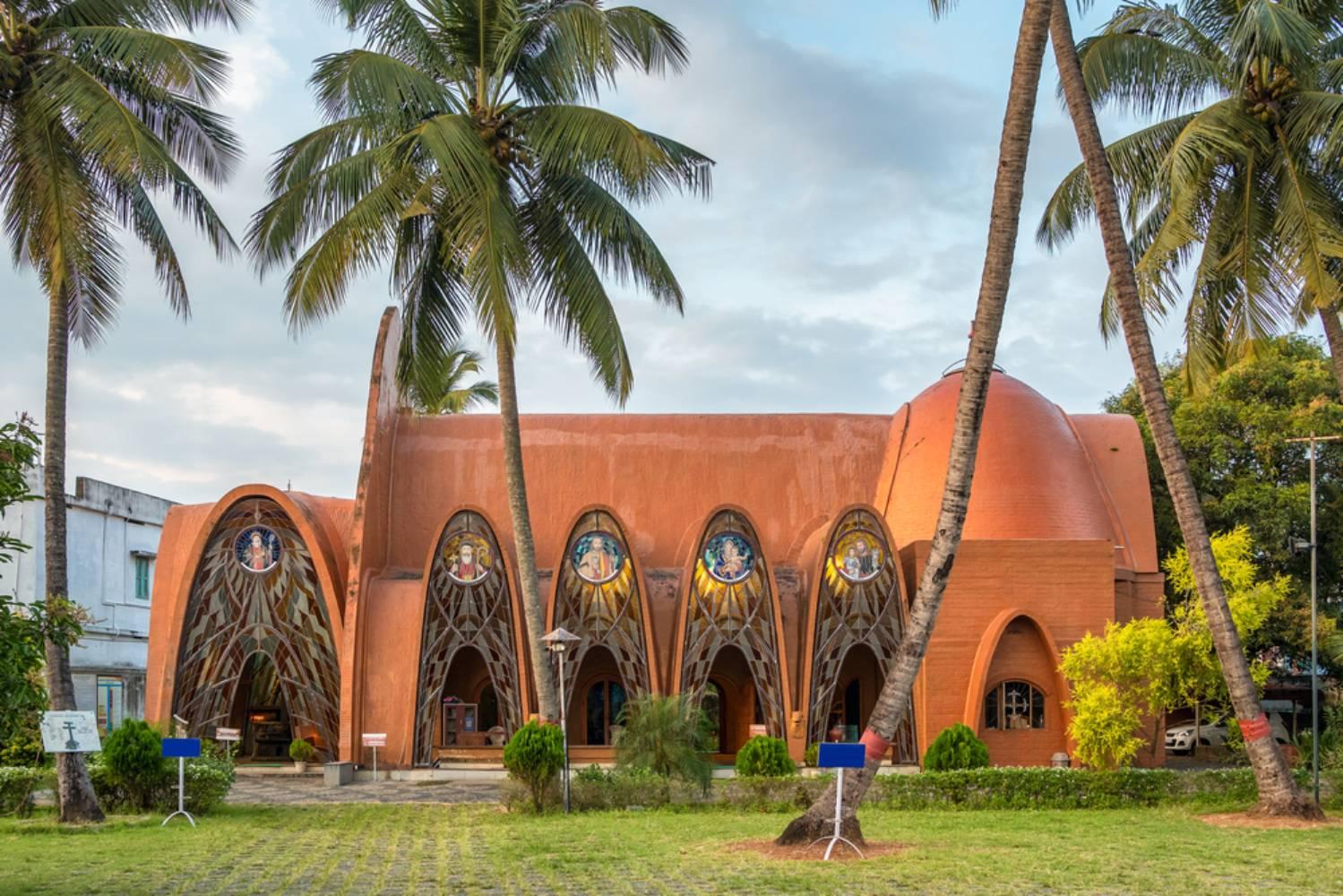
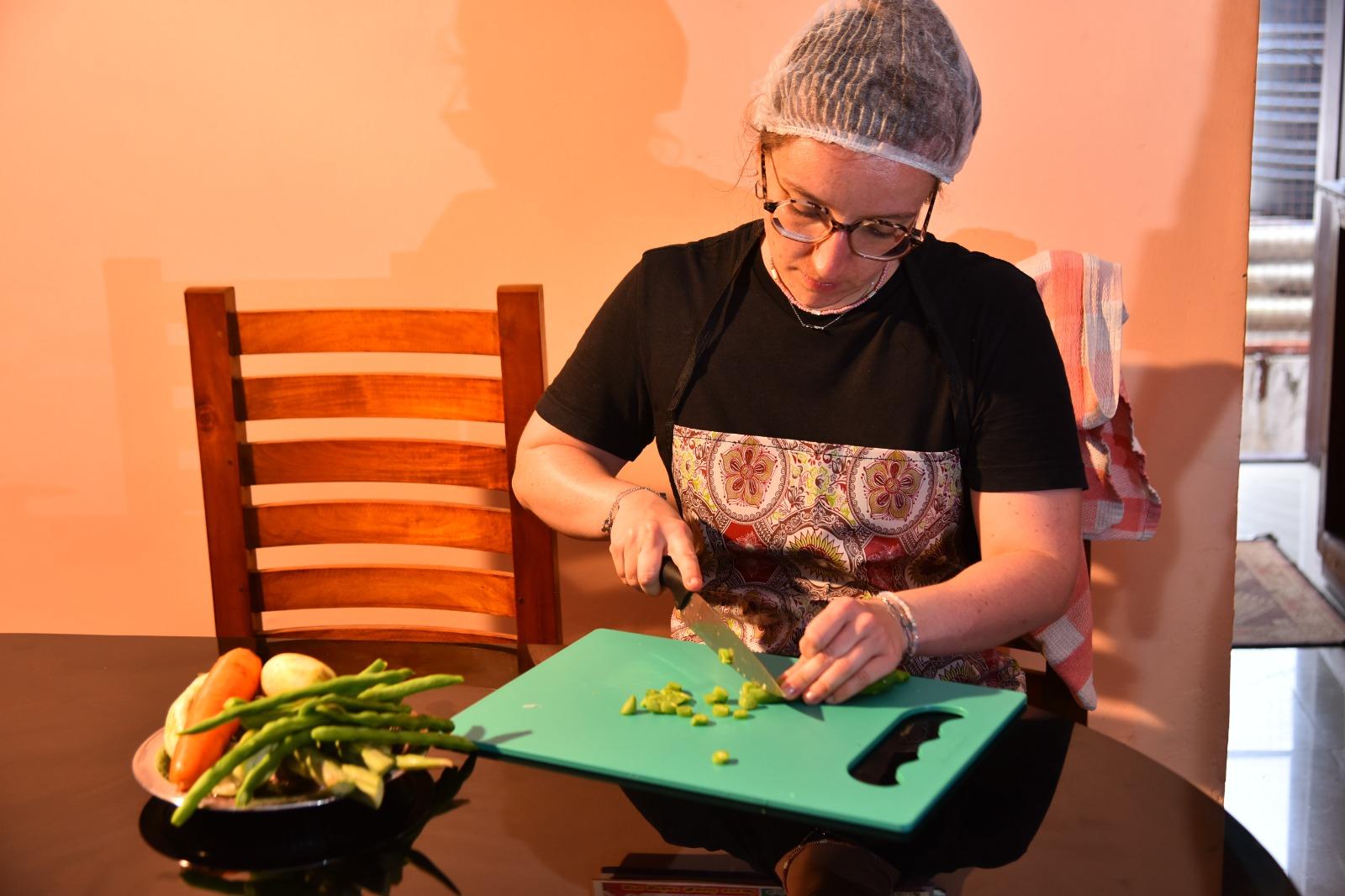
Kerala rewards a route that steps down from coast to hills and back to water. A tight loop links Kochi's heritage lanes, Munnar's tea slopes, Periyar's forests, and the Alleppey backwaters, each leg a two-to-four-hour drive from the last. Pick a three-day sprint through the highlights or stretch to seven days for a fuller circuit.
Trace the colonial-era streets, Chinese fishing nets, and St. Francis Church over about three hours on foot. Start early before the midday heat.
View guideWander the palace and antique lanes, budgeting two hours. Shops shut by evening, so go before 17:00.
View guideWalk the promenade at sunset for harbour views. A relaxed hour to close the day.
Roughly four hours climbing into the Western Ghats, with roadside stops at waterfalls. Leave by 08:00 to arrive for lunch.
Stroll the estate rows and visit a tea museum to see leaf-to-cup processing, about two hours. Wear layers as it cools quickly.
View guideBrowse the small market for estate teas and spices, roughly an hour. Carry a light jacket.
Head up for panoramic tea-slope views and possible Nilgiri tahr sightings, two to three hours. Book entry early as slots fill.
View guideAbout three and a half hours south to Thekkady. Set off after lunch.
Join a guided forest trek or boat cruise on the lake, two to three hours. Choose the early slot for wildlife activity.
View guideWalk a working spice garden to see cardamom and pepper, about ninety minutes. Comfortable shoes help on the paths.
Roughly four hours west to the backwaters. Board your houseboat by midday.
Drift the canals and paddy villages through the afternoon and overnight. Reserve ahead in peak season.
View guidePaddle the narrower canals a guided boat cannot reach, about two hours. Go at dawn for calm water.
View guideLearn a regional dish hands-on over two to three hours. Book a session that includes a market visit.
View guideAbout one and a half hours north. Time it around your onward flight from COK.
Compare multi-day routes to extend or shorten this loop. Useful if you want a pre-planned circuit.
View guideTravelers in Kerala typically rely on private hired drivers to navigate the winding mountain roads of the Western Ghats. In contrast, coastal cities offer modern options like the Kochi Water Metro, alongside an extensive passenger train network.
The Kochi Metro connects Aluva to Tripunithura, while the Kochi Water Metro links islands like Vypin and Mattancherry. Travelers can plan journeys and buy tickets using the Kochi 1 app.
Booking a private driver is standard for traversing winding mountain roads to hill stations like Munnar. In cities like Kochi and Trivandrum, visitors can book rides via the Uber or Ola apps.
Kerala State Road Transport Corporation (KSRTC) operates ordinary and fast passenger buses across the state. Travelers can reserve seats on long-distance services using the Ente KSRTC app.
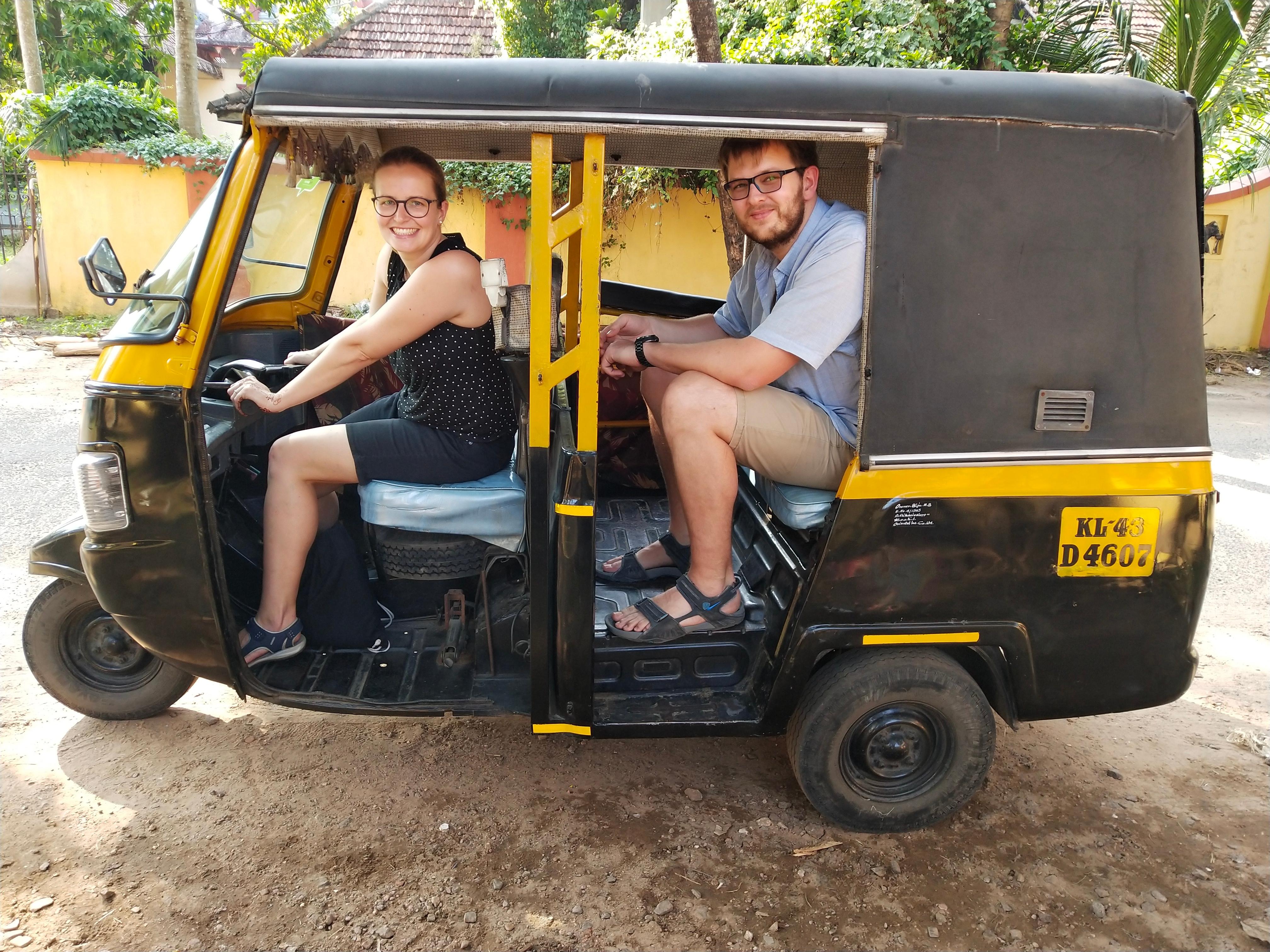
Auto-rickshaws are readily available at designated stands outside transit hubs for short-distance trips. Visitors can also book these vehicles digitally using the government-backed Kerala Savaari app.
From the airport: From Cochin International Airport (COK), a prepaid taxi to the center takes 50 minutes and costs ₹1,200. From Trivandrum International Airport (TRV), a taxi to the center takes 15 minutes and costs ₹350.
The best time to plan Kerala tours is between September and March, which brings pleasant cooler weather, post-monsoon greenery, and peak conditions for beaches and backwater houseboating.
The landscape is vibrant green, marking the transition into the dry season. Houseboats resume operations as backwaters clear.
This is the premier period for beaches and wildlife sanctuaries. Evenings in the high-altitude hills can get chilly.
Coastal humidity rises significantly, making the cooler hill stations more appealing. Travel costs are typically lower during this dry window.
Torrential rains recharge the rivers and waterfall systems. Travel is slower due to wet conditions, but this is the prime time for Ayurveda treatments.
Kerala's annual calendar centers on traditional temple pageants, historic water regattas, and seasonal harvest celebrations. Planning a trip around these events offers deep cultural immersion, though major festivals bring significant crowds and peak pricing.
A week-long showcase of classical Indian dance forms held at Kanakakkunnu Palace in Thiruvananthapuram. The festival attracts art lovers but causes minimal disruption to regional hotel rates.
This major temple festival features large elephant processions, percussion ensembles, and fireworks at Vadakkunnathan Temple. Thrissur becomes extremely crowded, driving up local lodging prices.
A prestigious competitive water regatta featuring traditional snake boats rowed on Punnamada Lake in Alappuzha. Lakeside seats and houseboats charge premium rates due to heavy tourist demand.
The state harvest festival is celebrated with floral decorations, traditional feasts, and cultural performances. Public events are widespread, but many local shops close on key festival days.
A year-end celebration in Fort Kochi featuring parades, music, and the burning of a giant Pappanji statue on New Year's Eve. Kochi experiences peak crowds and high accommodation costs.
Kerala's culinary landscape blends coconut, local spices, and fresh seafood, reflecting the region's rich agricultural heritage. Dining here centers on fresh ingredients and traditional cooking techniques, transitioning from coastal seafood delicacies to inland vegetarian feasts.
Pearl spot fish marinated in local spices, wrapped in a banana leaf, and grilled. Visitors can try this dish at backwater houseboats or lakeside toddy shops in Alappuzha.
Flaky, layered flatbread served alongside slow-roasted beef cooked with coconut slices and curry leaves. It is widely available at local eateries and street-side food stalls across the Malabar region, particularly in Kozhikode.
A traditional multi-course vegetarian banquet consisting of over twenty dishes served on a banana leaf. Travelers can experience this feast at traditional restaurants and dining halls throughout Kochi and Thiruvananthapuram.
Steamed cylinders of ground rice and grated coconut served with a spicy black chickpea curry. This classic breakfast staple is served at local tea shops and breakfast spots throughout the state.
A busy pedestrian street lined with shops selling freshly made banana chips and Kozhikode halwa. It is located in the center of Kozhikode and serves as a major hub for evening snacking.
Selecting where to stay in Kerala depends on whether you seek heritage preservation, tea plantation vistas, or slow-paced water journeys. The state offers diverse accommodation types, ranging from centuries-old Dutch-Portuguese properties to traditional thatched houseboats.
Ideal for heritage enthusiasts, this historic quarter features restored colonial mansions and art cafes. The trade-off is higher prices and limited modern resort amenities compared to newer districts.
Best for mountain scenery and cooler temperatures, hosting high-end resorts nestled inside tea estates. It is less suited for travelers seeking nightlife, as evenings here are quiet.
Renowned for overnight houseboats and canal-side homestays offering views of rural waterways. Staying on the water means limited mobility after dark and reliance on onboard dining.
Suited for beachgoers looking for ocean views and seafood shacks along the promenade. The area can feel crowded during peak weekends compared to quieter northern coastline options.
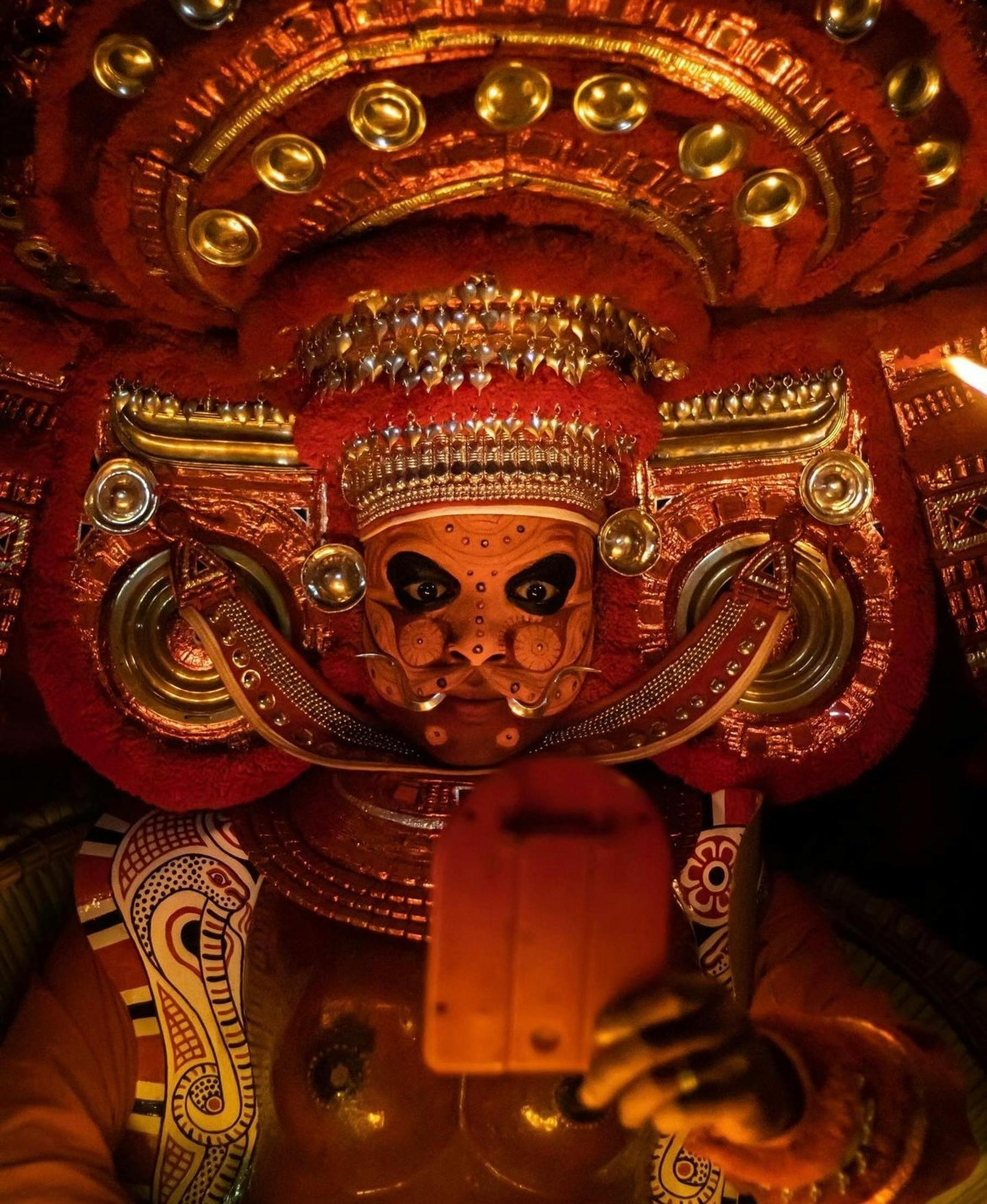
Kochi's harbour drew the world long before flags flew over it. Arab and Chinese merchants traded pepper and cardamom here through the fourteenth century, and Chinese fishing nets erected around 1350 still tilt over the Fort Kochi shoreline. In 1498 Vasco da Gama landed near Kozhikode, and by 1503 the Portuguese raised Fort Emmanuel, Kerala's first European fort. Da Gama died in Kochi in 1524 and was buried at St. Francis Church; his empty tomb remains. Many Kerala Tours begin at this church, where the spice wealth that lured three empires becomes tangible. The Dutch seized the fort in 1663, dismantling Portuguese churches and refashioning the Mattancherry Palace, whose Ramayana murals visitors still trace. The British followed in 1795, and their warehouses along Bazaar Road now shelter the antique dealers browsed on Kochi heritage tours. Nearby, the Paradesi Synagogue, built in 1568, anchors the old spice quarter of Jew Town. Beyond trade, Kerala refined two arts. Kathakali dance-drama, codified in the seventeenth century under rulers like the Kottayam prince Kottarakkara Thampuran, still performs its green-faced epics nightly. Kalaripayattu, the martial tradition dated to the twelfth century, trains in earthen pits across the region. A Kochi cultural tour pairs both. Several Kerala Tours tours bundle a Kathakali sitting with a Kalari demonstration, and Kerala Tours tickets for evening performances sell quickly. Book a single Kerala Tours tour and this layered history, from iron-lattice godowns to painted faces, still greets you in the streets.
Chinese fishing nets rise along the Fort Kochi shore.
Vasco da Gama lands near Kozhikode, opening the sea route.
The Portuguese build Fort Emmanuel, Kerala's first European fort.
The Paradesi Synagogue is constructed in Mattancherry.
The Dutch capture Kochi and remodel Mattancherry Palace.
Kottarakkara Thampuran shapes Kathakali dance-drama.
The British take control of Fort Kochi and its spice trade.
Everything you need to know about visiting Kerala Tours
The peak season for these journeys runs from September–March, offering cooler weather and lush post-monsoon greenery. This period is also ideal for relaxing on the Arabian Sea beaches or making a houseboat cruise reservation in the serene backwaters. Many people choose this time to book their Kerala Tours.
Visitors can expect to pay around ₹300–600 for a mid-range meal and ₹80–120 for a coffee. Local tea, a popular regional drink, typically costs about ₹40. If you are researching things to do in Kerala, you will find these everyday costs make the region highly accessible.
Travelers arriving at Cochin International (COK) can take a prepaid taxi to the center, which takes 50 min and costs ₹1,200. For those landing at Trivandrum International (TRV), a standard taxi to the center takes 15 min and costs ₹350.
Public transit is operated by Kochi Metro and KSRTC. A single ride on the Kochi Metro ranges from ₹10–60, while a convenient day pass costs ₹125. For longer distances, many travelers utilize Kerala Tours to get between destinations seamlessly.
Exploring the iconic coconut groves and watching a traditional Kathakali dance are highly recommended. Visitors can also experience local Ayurvedic wellness treatments during their stay. For a well-rounded trip, look for Keralam travel packages that include these activities.
Malayalam is the official language of the state, but English is widely spoken throughout the tourism industry. This makes communicating during your Kerala Tours straightforward when interacting with guides and hotel staff.
The region is generally safe for international and domestic visitors. You can book a Munnar tea garden tour or walk along the beaches with peace of mind. Standard precautions like watching your belongings and hiring licensed guides apply here just as elsewhere.
Tipping is appreciated but not mandatory, with 5% to 10% being standard at restaurants. When booking guided excursions, a small gratuity for your driver or guide is customary. Always ask for permission before taking photographs of local residents.
The destination is highly welcoming to families, offering gentle canal rides and child-friendly beach resorts. Opting for organized Kerala Tours ensures that transit and lodging are handled comfortably for all ages.
The official tourism site is https://www.keralatourism.org, which offers extensive maps and guides. You can use it to verify details before finalizing your travel itineraries. It provides valuable information on local attractions, guidelines, and safety advisories.
Choose from amazing attractions and create unforgettable memories in this beautiful city
View All Attractions